Blackout vs Sheer Curtains: Which Should You Choose?
Blackout and sheer curtains sit at opposite ends of what a curtain can do — one blocks nearly all outside light, the other lets it flood in. Most homes actually need both, just in different rooms, or sometimes layered in the same window. This guide breaks down exactly when each style makes sense, so you’re not guessing which one your room actually needs.
Before You Start: 2 Questions to Ask Yourself
1. What time of day does this room get used most?
A bedroom used mainly at night has very different light needs than a home office used during the day. Rooms tied to sleep, screens, or glare-sensitive activities usually lean blackout; rooms used for daytime living tend to benefit more from sheers.
2. Is privacy or light control the bigger priority?
Sheers give you a soft privacy layer during the day but offer very little at night once lights are on inside. Blackout curtains solve both at once, but at the cost of blocking daylight completely when closed.
1. What Blackout Curtains Actually Do
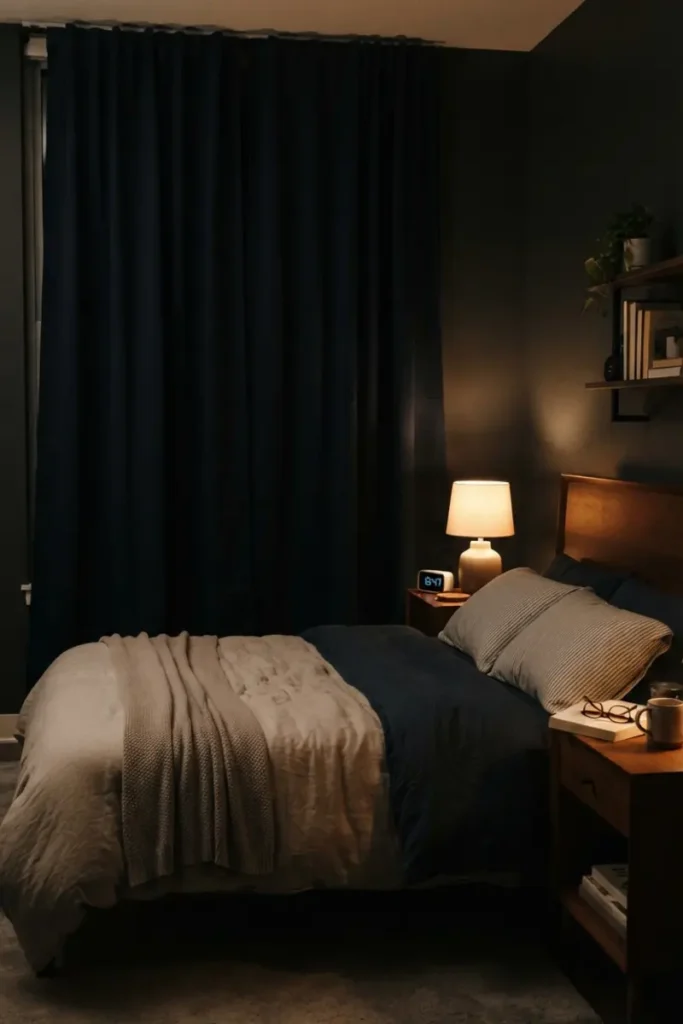
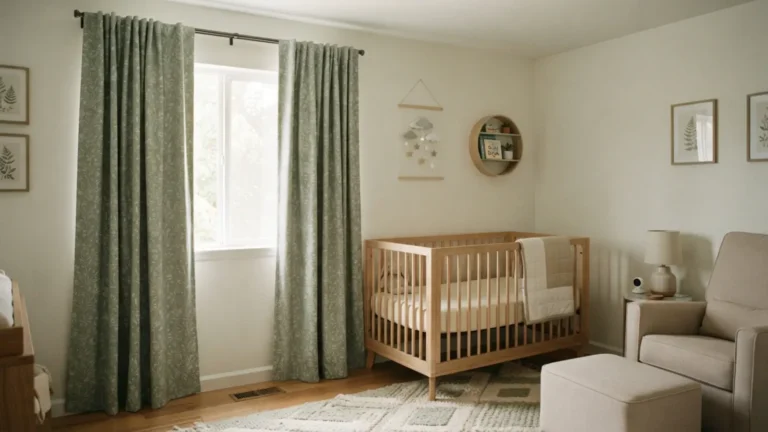
Blackout curtains use a tightly woven fabric or an added lining layer to block the vast majority of light passing through the window, along with a meaningful amount of outside noise and heat transfer. Beyond just darkening a room, they’re doing real functional work — insulating against temperature swings and dampening street noise enough that many people notice the difference the first night they use them. The trade-off is that a fully closed blackout curtain makes a room feel shut off from the outside, which is exactly the point in a bedroom but can feel heavy-handed in a living space. Interior design guides note that heavier fabrics like velvet or wool naturally provide this kind of insulation and light-blocking, which is why blackout curtains are so often made from denser materials.
Best for: Bedrooms, home theaters, and any room where sleep, screen glare, or full privacy at night matters more than daylight.
2. What Sheer Curtains Actually Do
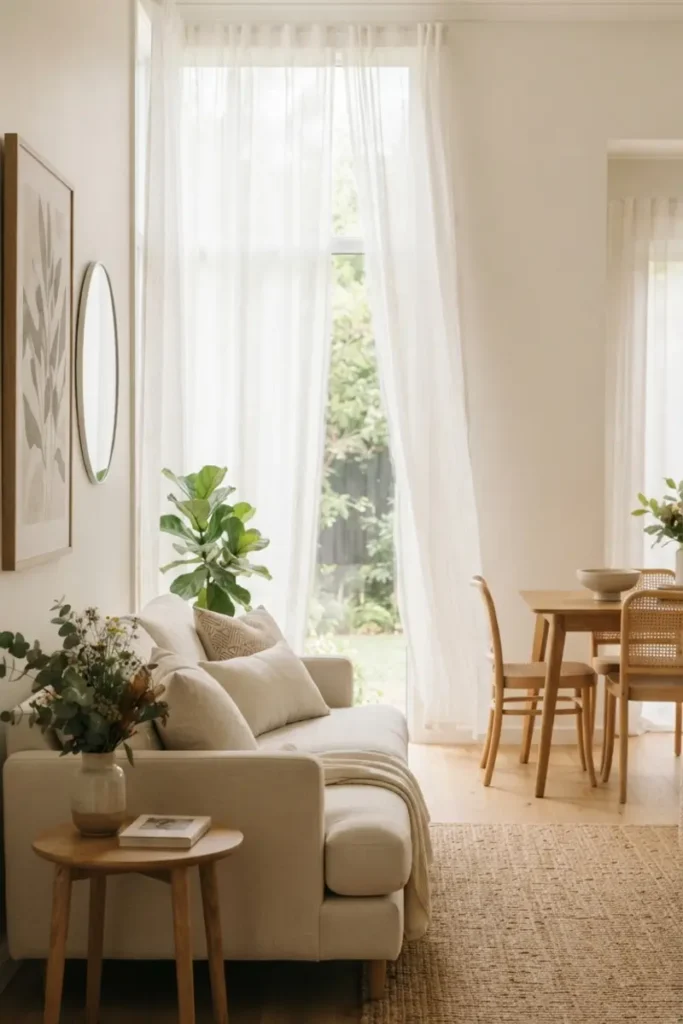
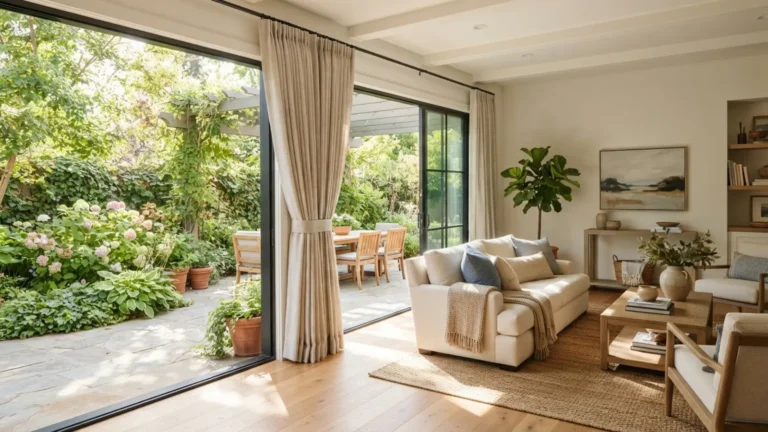
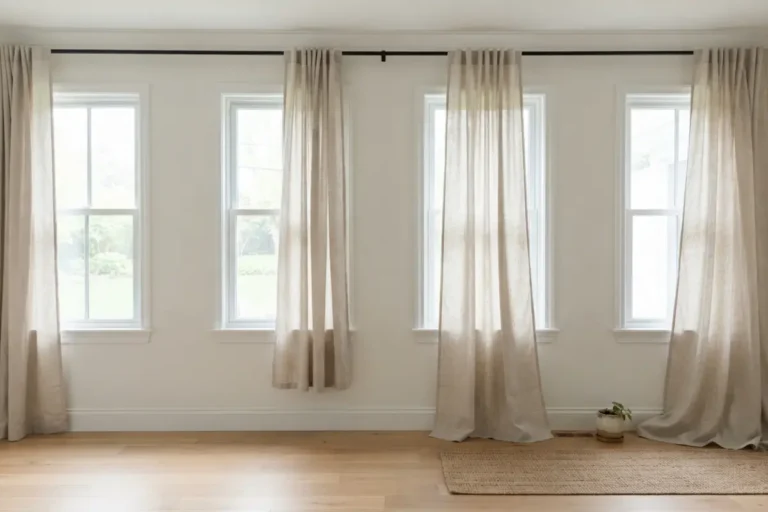
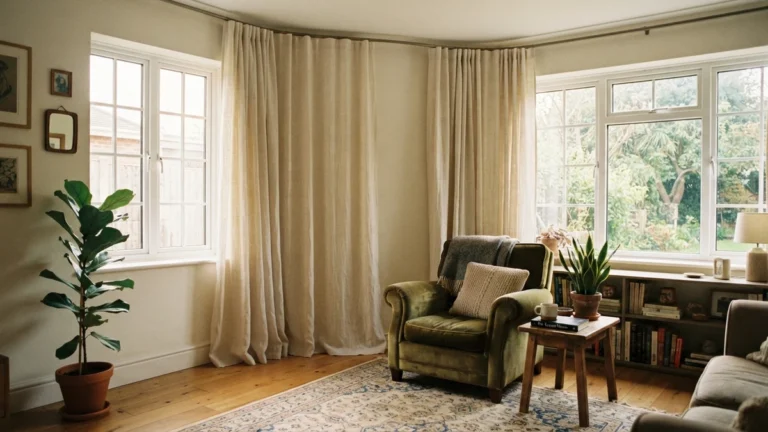
Sheer curtains are made from lightweight, semi-transparent fabric that filters and softens daylight rather than blocking it, letting a room stay bright while still adding a layer of texture and softness to the window. They give a mild amount of daytime privacy — enough to blur the outline of the room from outside — but they do essentially nothing to block a view once it’s dark and the interior lights are on. Sheers tend to make a room feel more open and airy, which is part of why they’re such a common choice for living rooms and dining spaces where natural light is a priority.
Best for: Living rooms, dining rooms, and any daytime-use space where natural light matters more than nighttime privacy or full darkness.
3. Blackout vs Sheer: Side-by-Side Comparison
| Feature | Blackout Curtains | Sheer Curtains |
|---|---|---|
| Light control | Blocks nearly all light | Filters and softens light |
| Privacy at night | Full | Minimal |
| Daytime brightness | Room stays dim when closed | Room stays bright |
| Noise/temperature | Noticeably dampens both | Little to no effect |
| Best rooms | Bedrooms, media rooms | Living rooms, dining rooms |
| Visual feel | Heavier, more formal or cozy | Light, airy, soft |
4. Why Many Rooms Actually Use Both
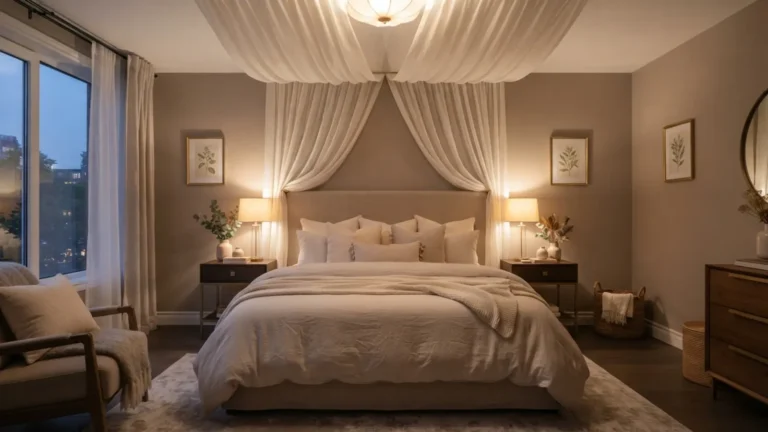
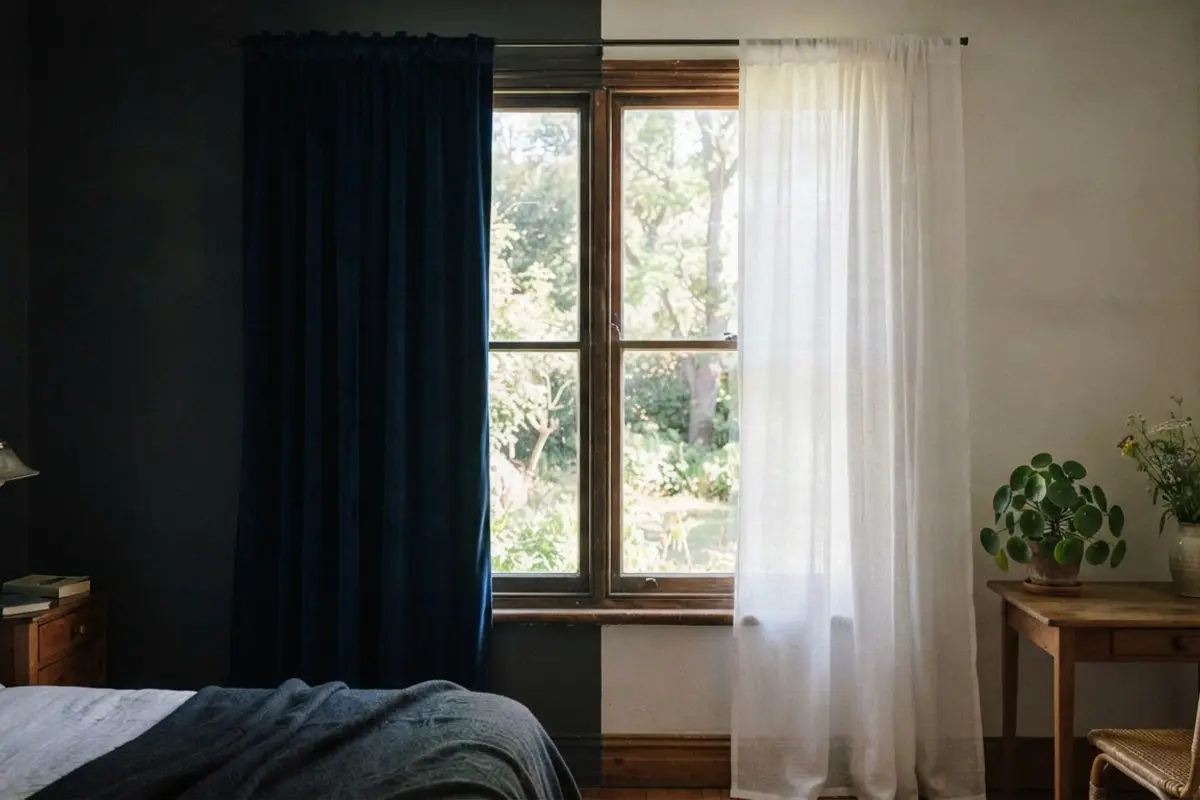
Layering a sheer panel underneath a blackout curtain on the same rod is one of the most common solutions in rooms that need to flex between day and night use — sheers stay closed for daytime privacy and light, while the blackout layer closes over them in the evening or whenever full darkness is needed. This setup shows up often in primary bedrooms and living rooms that double as media spaces, since it avoids forcing a single fabric to do two very different jobs. If you’re unsure which single style to pick, layering is usually a better answer than compromising with a mid-weight fabric that does neither job particularly well.
How to Decide for Your Room
Start with how the room is used at the times of day light matters most — a bedroom’s biggest light challenge is usually early morning, while a living room’s is often mid-afternoon glare. From there, weigh privacy against brightness: if losing natural light during the day is a bigger downside than reduced privacy at night, sheers are the better single choice, and vice versa for blackout. If both matter and you can’t choose, layering both on the same window solves the problem without asking one fabric to do everything.
FAQ
Can sheer curtains provide any privacy at all?
Some, during the day — they blur outlines and movement from outside without fully blocking the view. At night, with interior lights on, they offer very little privacy, since the fabric becomes far more transparent from the outside looking in.
Do blackout curtains completely block all light?
Most block the vast majority of light, but a small amount can still leak in around the edges or through the top of the rod unless the curtain is mounted with extra width and height to fully cover the window frame.
Can I use blackout curtains in a living room?
Yes, though many people prefer sheers or a lighter fabric there since living rooms are typically used more during the day. Blackout still works well in living rooms used for movie nights or afternoon naps.
Final Thoughts on Blackout vs Sheer Curtains
Still deciding which curtain style fits your space? Our guide to curtain styles for every room breaks down even more options — from café curtains to layered drapery — to help you find the right fit for any window in your home.