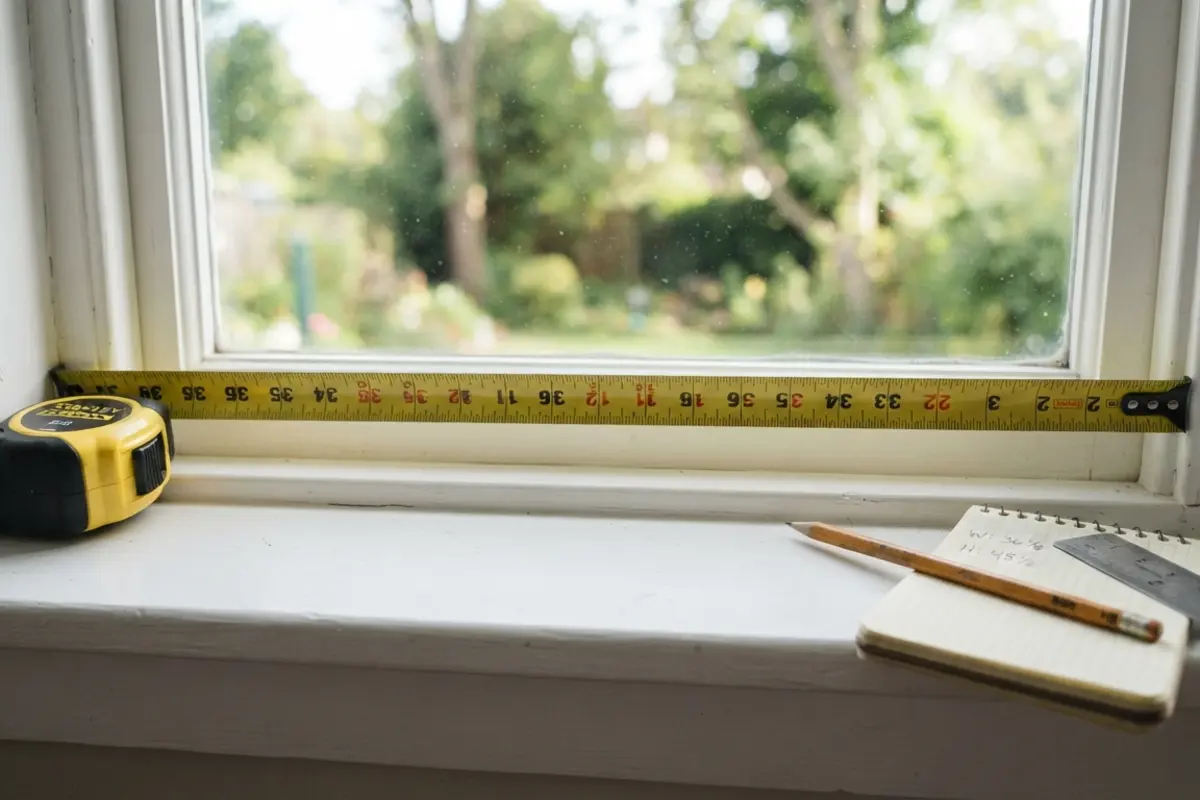
How to Measure Windows for Curtains: A Step-by-Step Guide
How to measure windows for curtains is one of the most commonly overlooked steps when buying new window treatments — and it’s completely avoidable. A curtain that’s too narrow looks skimpy no matter how nice the fabric is, and one that’s too short can throw off the whole proportion of a room. This guide walks through the exact process step by step, so you order the right size the first time.
Before You Start: 2 Decisions to Make First
1. Will you mount the rod inside or outside the window frame?
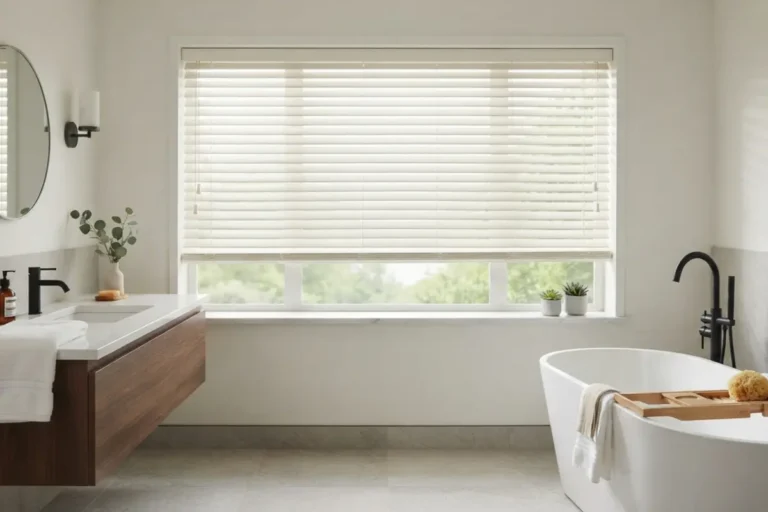
Inside-mount curtains sit within the window frame itself, giving a clean, built-in look but requiring more precise measurements. Outside-mount curtains hang from a rod placed above and beyond the frame, which is more forgiving on measurement precision and generally makes windows look larger.
2. What curtain length are you aiming for?
Whether you want sill-length, floor-length, or puddle-length changes exactly where your tape measure should stop. If you haven’t decided yet, our curtain lengths guide breaks down each option before you start measuring.
Step 1: Gather the Right Tools
A steel tape measure is far more accurate than a fabric or cloth tape, which can stretch slightly and throw off your numbers over the width of a large window. A pencil, notepad, and a step stool for taller windows round out everything you’ll actually need — there’s no need for anything more specialized than this for a standard residential window.
Step 2: Measure the Width for an Outside Mount
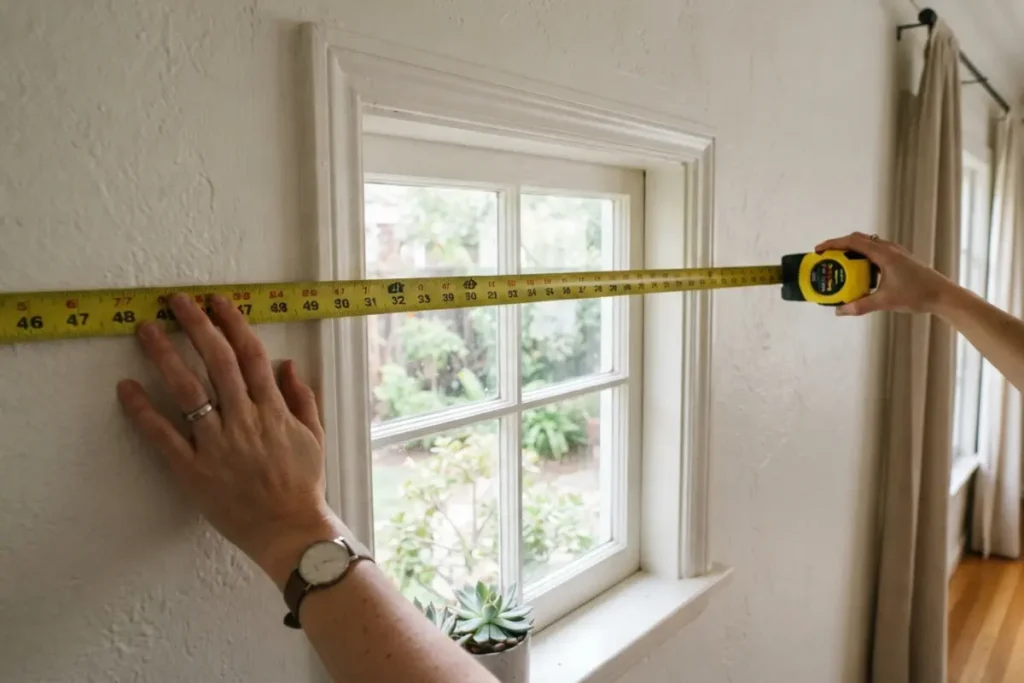
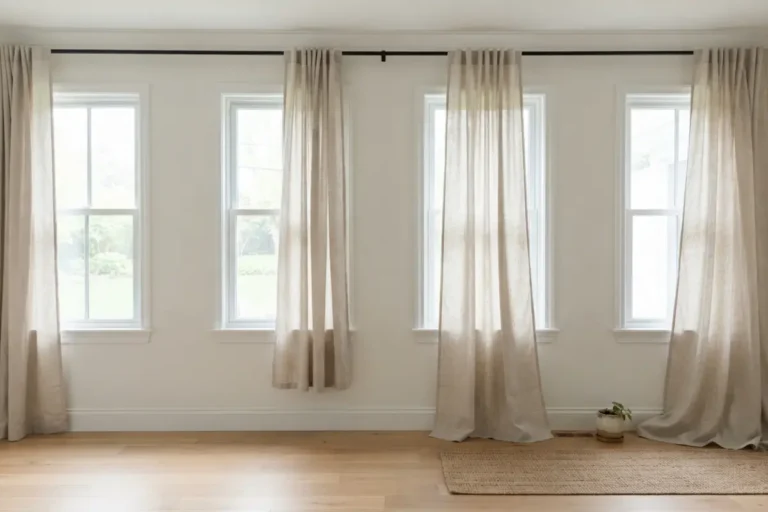
For an outside mount, measure the full width of the window frame, then add extra width on each side depending on how much wall space you want the curtain rod to extend past the frame — typically 4 to 8 inches per side. This extra width does two important things: it lets the curtains fully clear the glass when open, letting in maximum light, and it makes the window visually appear wider than it actually is.
Step 3: Measure the Width for an Inside Mount
For an inside mount, measure the exact interior width of the window frame at three points — top, middle, and bottom — since older window frames are rarely perfectly square. Use the smallest of the three measurements to ensure the rod and hardware will actually fit inside the frame without forcing.
Step 4: Measure the Height and Rod Placement
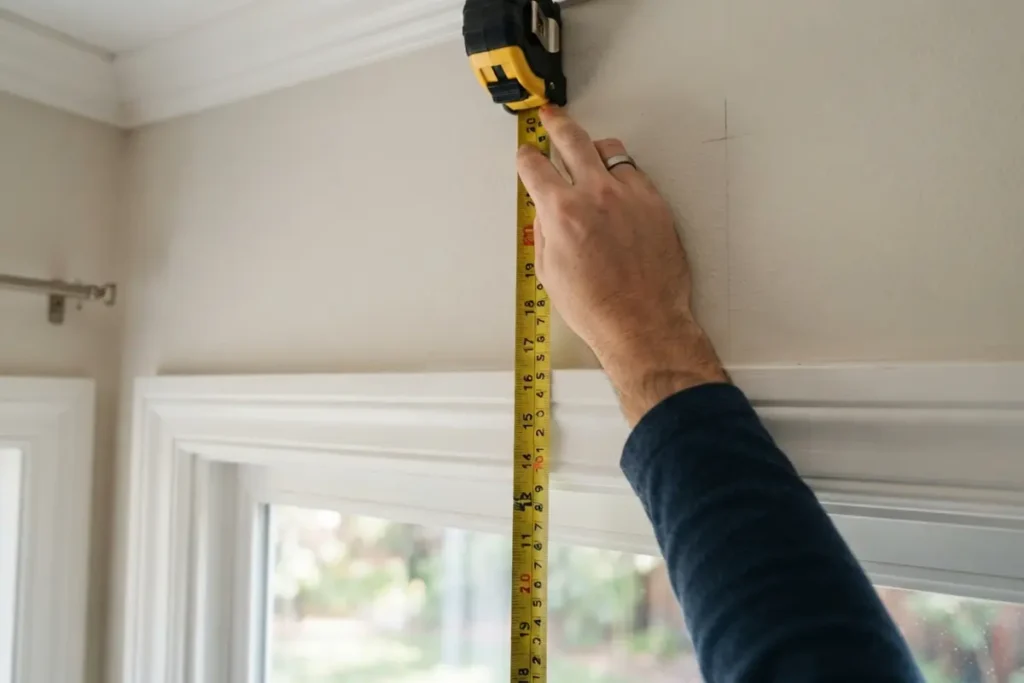
Decide how high above the window frame the rod should sit — mounting it 4 to 6 inches above the frame (or closer to the ceiling in rooms with high ceilings) makes the window look taller and the room feel more spacious. Measure from that rod height down to your desired curtain length: the sill, just past the sill, the floor, or slightly past the floor, depending on the length style you’re going for.
Step 5: Account for Fullness
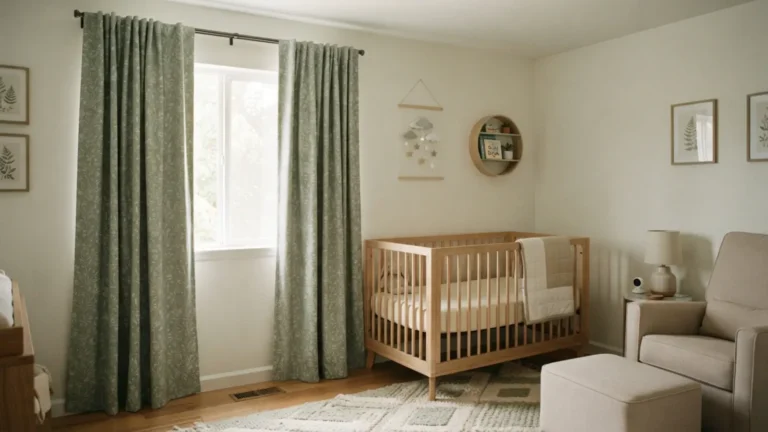
Curtains that hang flat against the rod with no gathering tend to look thin and underwhelming, so most curtain widths should be 2 to 2.5 times the width of the actual window for a properly full, gathered look when closed. This multiplier applies to the total fabric width across both panels combined, not to each individual panel. Home decor guides recommend keeping this fullness ratio in mind regardless of fabric weight, since flat, ungathered curtains are one of the most common styling mistakes.
Quick Reference: How to Measure Windows for Curtains at a Glance
| Feature | Typical Add-On |
|---|---|
| Width beyond frame (outside mount) | 4–8 inches per side |
| Rod height above frame | 4–6 inches (more for high ceilings) |
| Fabric fullness multiplier | 2–2.5x window width |
| Puddle-length extra fabric | 1–6 inches beyond floor |
Common Measuring Mistakes to Avoid
The most frequent mistake is measuring only the window glass itself rather than the full frame, which almost always results in curtains that are too narrow once hung. A close second is skipping the fullness multiplier entirely and ordering curtains exactly the width of the window, which leaves them looking flat and stretched rather than gathered and soft. Finally, mounting the rod too close to the top of the frame — rather than several inches above it — is a common way to accidentally make a window look shorter than it actually is.
FAQ
Should I measure before or after buying curtain rods?
Measure the window first, then choose a rod length that comfortably accommodates your desired width — most curtain rods are adjustable within a range, so measuring first prevents buying a rod that’s too short.
Do I need different measurements for sheer curtains versus heavier fabrics?
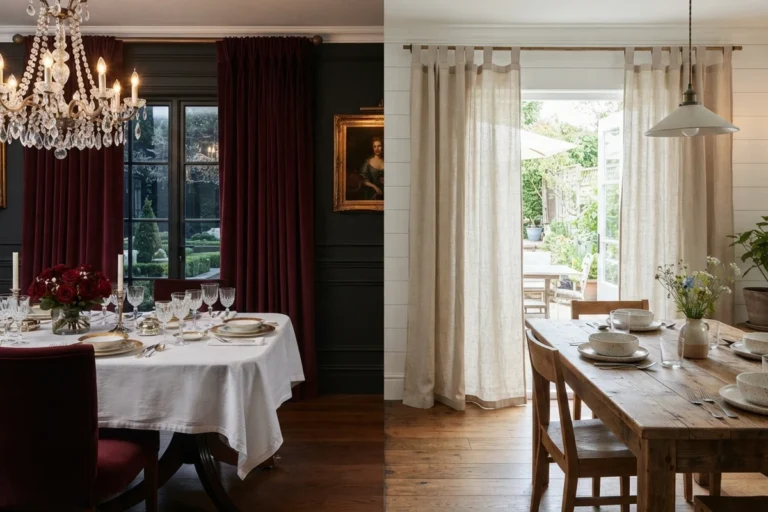
The width and height measurements stay the same regardless of fabric, though sheers often look better with slightly more fullness (closer to 2.5–3x the window width) since the lightweight fabric doesn’t hold as much visual volume on its own.
What if my window is an unusual shape, like an arch or bay window?
Arched and bay windows typically need custom or specialty hardware rather than a standard straight rod, and measuring usually involves multiple segments rather than one single width — it’s worth consulting the specific hardware’s instructions for these window types.
Final Thoughts on Measuring for Curtains
Now that you know how to measure windows for curtains, choosing the right length matters just as much. Our curtain lengths guide breaks down sill, apron, floor, and puddle lengths in more detail.