Curtain Lengths Guide: Sill, Apron, Floor, Puddle
This curtain lengths guide will change how you think about window dressing — how long a curtain hangs affects the entire feel of a window, and a room, more than most people expect. The same fabric cut to a different length can look casual or formal, practical or dramatic. Here we break down the four most common curtain lengths, what each one actually does for a space, and how to pick the right one for your window.
Before You Start: 2 Questions to Ask Yourself
1. Is there furniture, a radiator, or a counter right below the window?
A curtain hanging past the sill can look great in an open wall, but it becomes impractical fast if it’s going to brush against a windowsill object, a radiator, or a kitchen counter every time it moves. Physical obstructions below the window are often the single biggest factor in choosing length.
2. Are you going for a casual, everyday look or a more formal, elevated one?
Shorter lengths tend to read as practical and relaxed, while lengths that reach or exceed the floor read as more deliberate and formal. Neither is “correct” — it depends on the mood you want the room to have.
Sill-Length Curtains
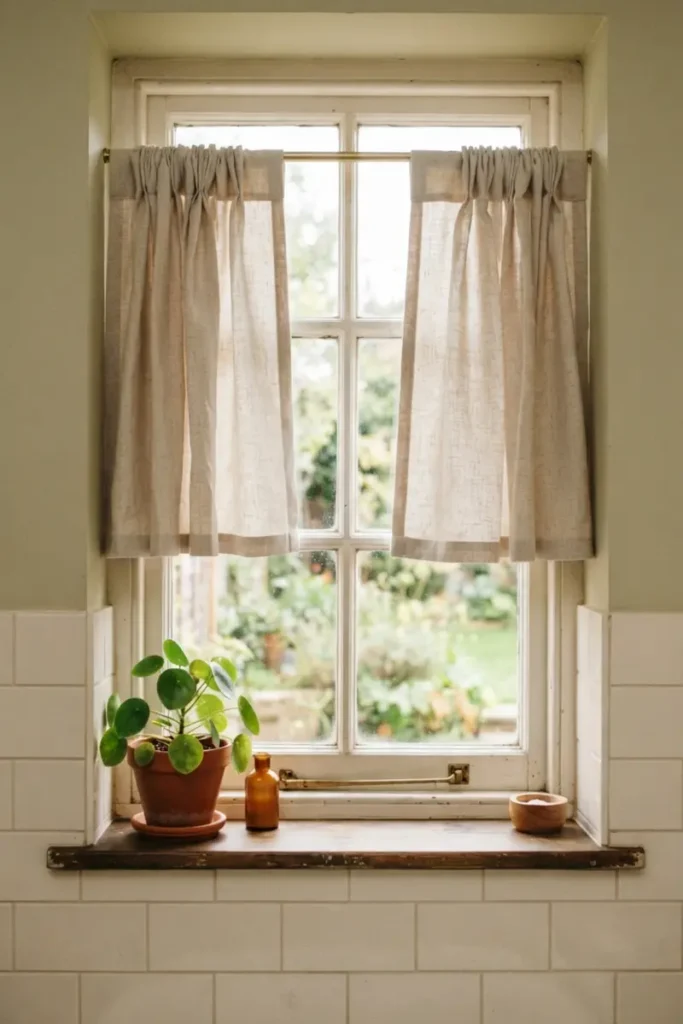
Sill-length curtains end right at the bottom edge of the window frame, making them one of the most practical and unobtrusive length choices available. Because they stop exactly where the window does, they never interfere with anything below — a radiator, a windowsill of plants, or a kitchen counter can sit right there without the curtain ever brushing against it. The trade-off is that sill-length curtains read as the most casual and utilitarian of all the lengths, rarely used when the goal is a formal or dramatic look.
Best for: Kitchens, bathrooms, and any window with a radiator, counter, or windowsill display directly beneath it.
Apron-Length Curtains
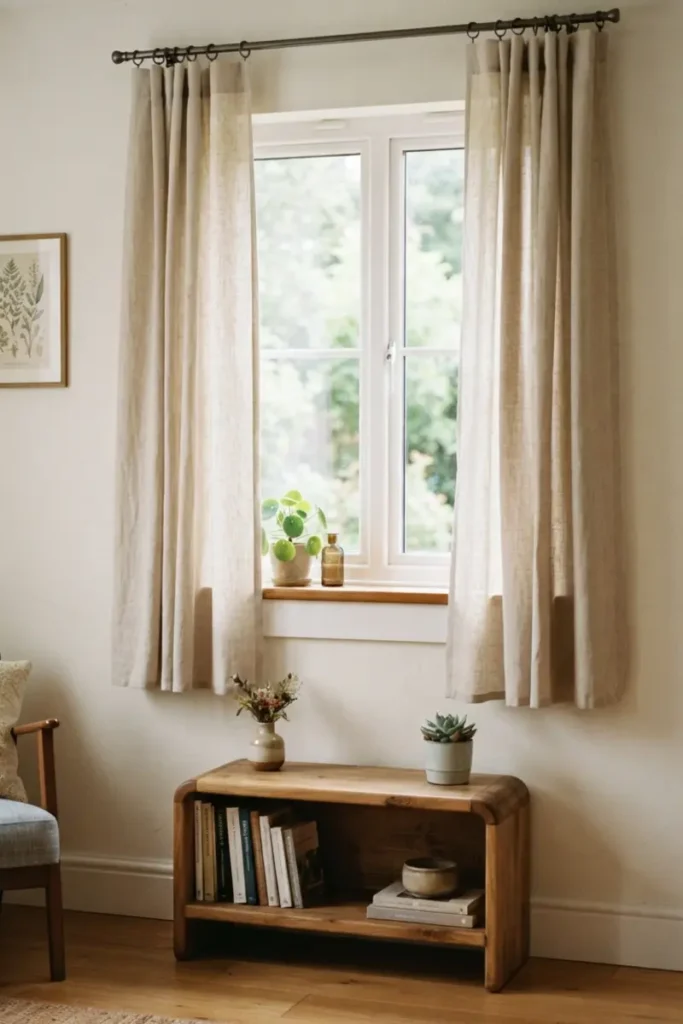
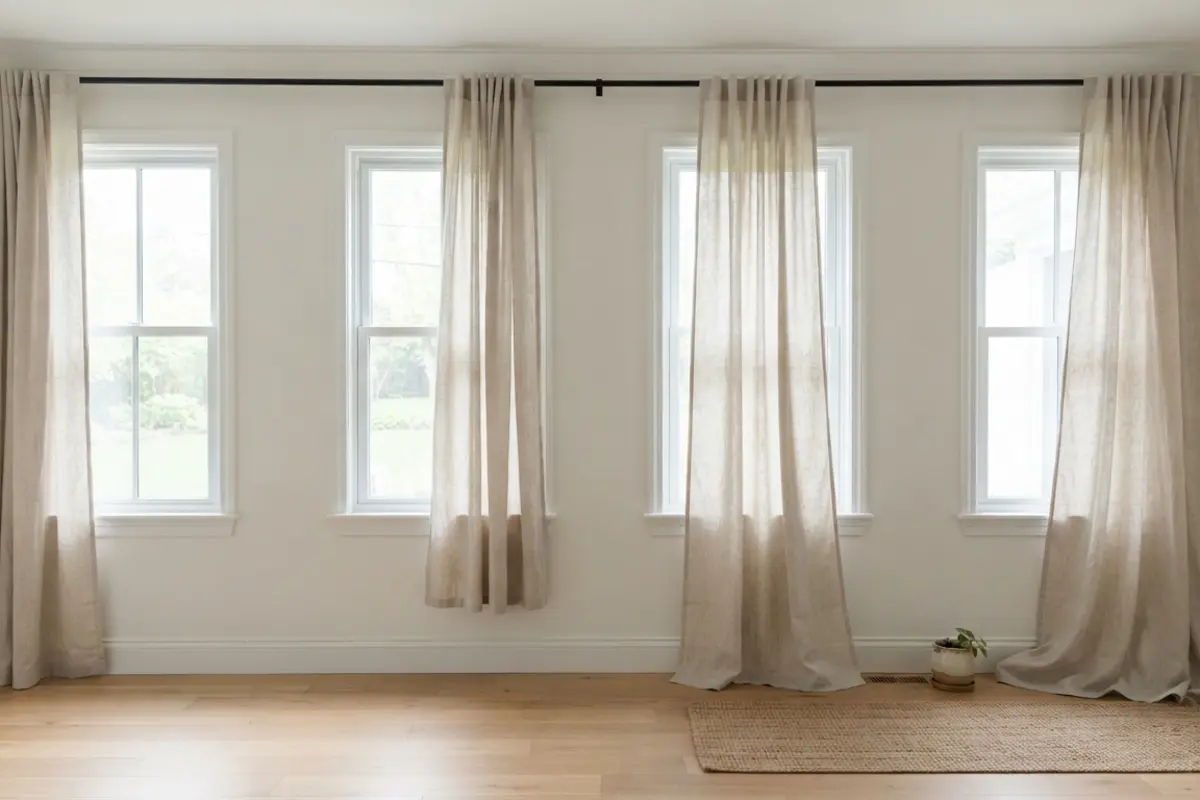
Apron-length curtains extend a few inches past the windowsill — typically stopping somewhere around the bottom of the window frame’s apron trim, hence the name — striking a middle ground between the practicality of sill-length and the more finished look of longer curtains. This length still clears most furniture placed directly under a window, like a low bookshelf or a narrow console table, while looking slightly more considered than a curtain that stops abruptly at the sill. It’s a length that often gets overlooked in favor of the two extremes, but it works well in rooms where you want a bit more visual weight without full-length drama.
Best for: Bedrooms and living rooms with furniture positioned just below the window that still needs some clearance.
Floor-Length Curtains
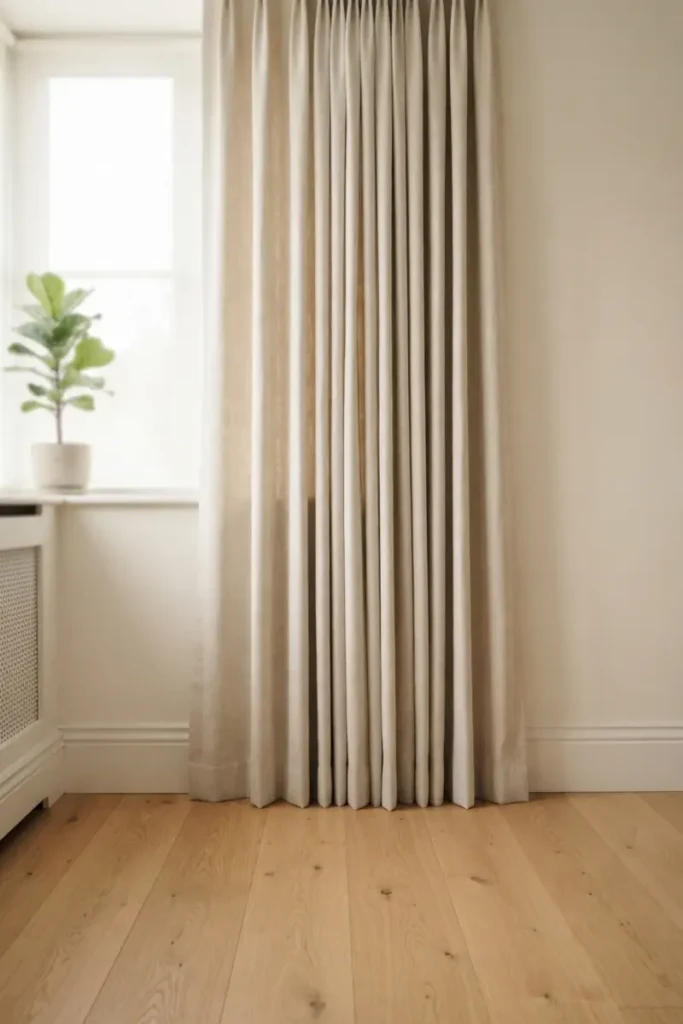
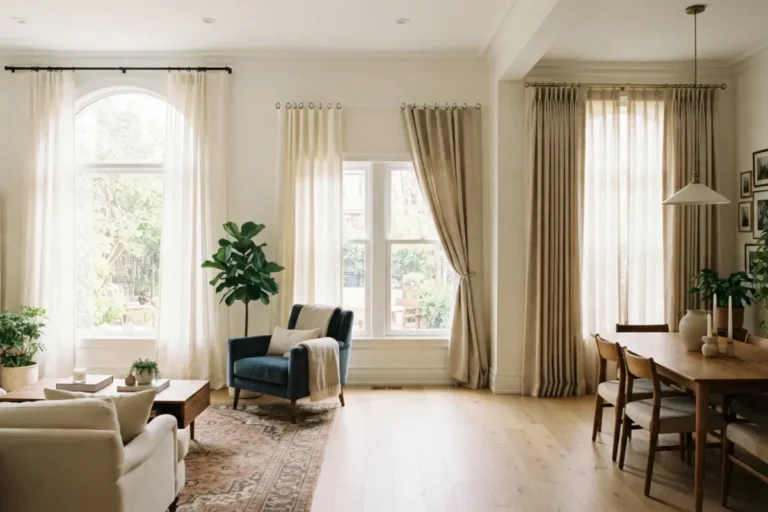
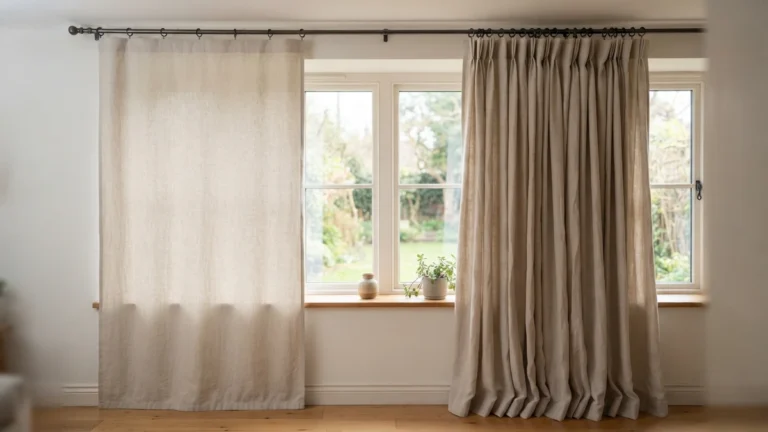
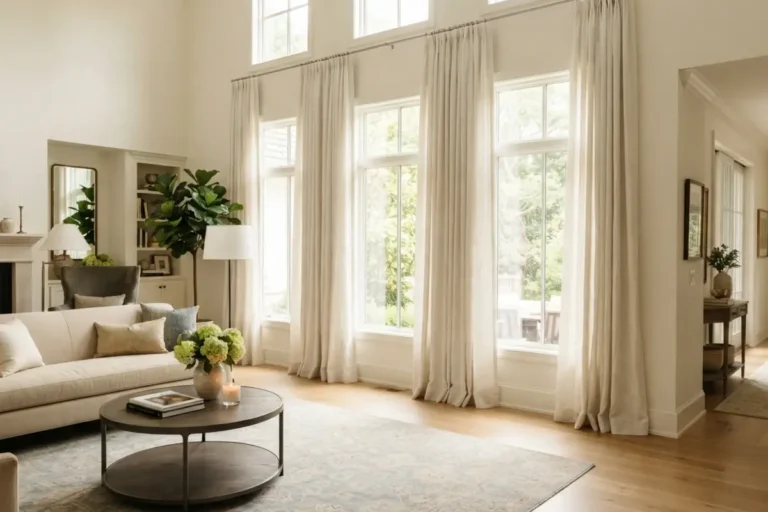
Floor-length curtains just graze the floor, ending right where the fabric meets the ground without pooling or dragging — this is widely considered the most versatile and universally flattering length for most rooms. It elongates the window and often the whole wall, making ceilings feel taller and rooms feel more finished, while still looking tidy and intentional rather than overly formal. Getting this length exactly right does require more precise measuring than shorter options, since even half an inch too short can look accidental rather than deliberate. For general terminology and history around window treatments, see Interior design guides.
Best for: Living rooms, dining rooms, and bedrooms where a polished, elevated look matters and there’s nothing obstructing the floor below.
Puddle-Length Curtains
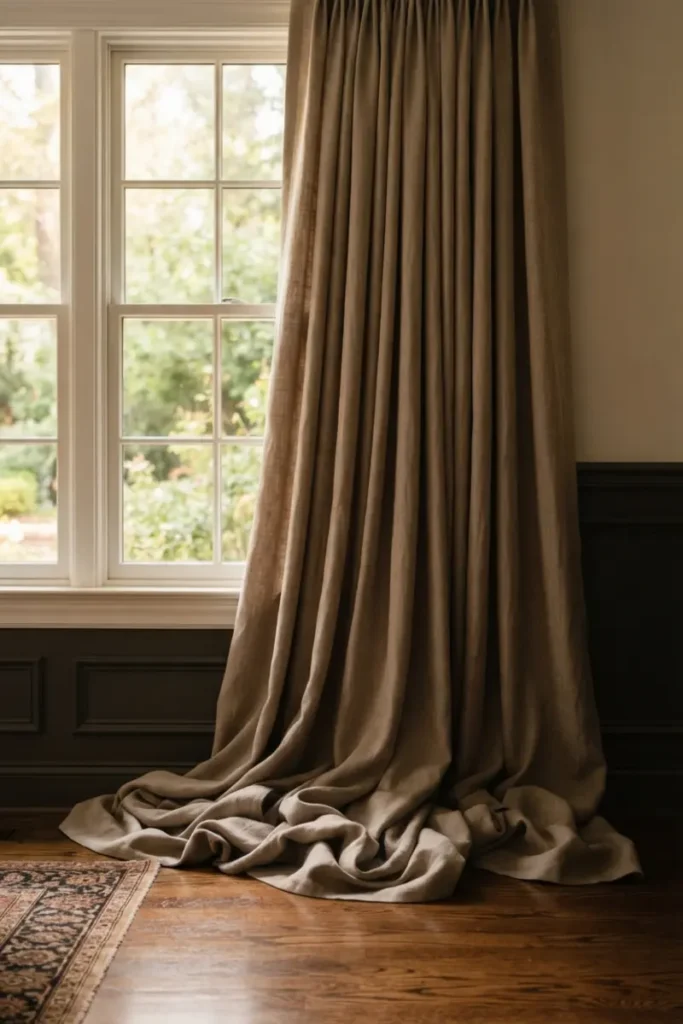
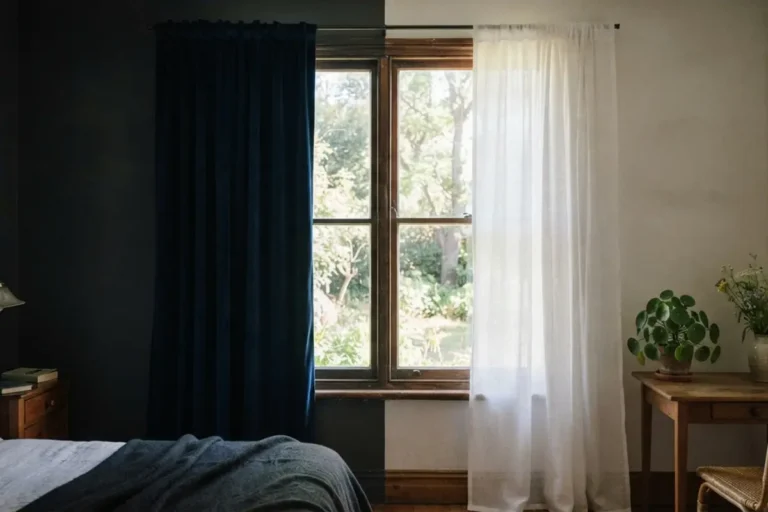
Puddle-length curtains extend well past the floor, pooling in soft folds on the ground for a deliberately luxurious, romantic effect that immediately signals a formal or high-end space. The extra fabric pooling at the base adds visual softness and a sense of abundance that no other length achieves, though it comes with real practical trade-offs — puddled curtains collect dust more easily and aren’t a good fit for high-traffic areas or homes with pets that might walk across the fabric. This length works best when the room is used more for appearance and occasional entertaining than for everyday foot traffic right at the window.
Best for: Formal dining rooms, primary bedrooms, and low-traffic living spaces where a dramatic, romantic look outweighs practical maintenance concerns.
Curtain Lengths Guide: Comparison at a Glance
| Feature | Sill-Length | Apron-Length | Floor-Length | Puddle-Length |
|---|---|---|---|---|
| Formality | Casual | Semi-casual | Polished | Formal/dramatic |
| Clears furniture below? | Yes, always | Mostly | Depends on furniture | No |
| Maintenance | Easiest | Easy | Moderate | Highest (collects dust) |
| Best rooms | Kitchens, bathrooms | Bedrooms, living rooms | Living/dining rooms, bedrooms | Formal dining rooms, primary bedrooms |
How to Choose the Right Length for Your Window
Following this curtain lengths guide, start with what’s physically below the window — a radiator, counter, or low furniture piece will usually rule out anything longer than apron-length. From there, think about how the room is actually used day to day: a high-traffic space with kids or pets benefits from a shorter, lower-maintenance length, while a formal room used mainly for entertaining can support the drama of puddle-length fabric. When in doubt, floor-length is the safest default — it works in nearly any room and rarely looks wrong.
FAQ
How much should floor-length curtains puddle, if at all?
True floor-length curtains shouldn’t puddle at all — they should just graze the floor. If you want some pooling, that’s technically puddle-length, which typically adds 1 to 6 inches of extra fabric beyond the floor.
Is sill-length curtains outdated?
Not at all — sill-length remains a practical, popular choice for kitchens and bathrooms specifically because it avoids contact with counters, sinks, and radiators. It’s less about being outdated and more about fitting a specific functional need.
Can I mix curtain lengths in the same room?
Generally, it’s best to keep the same length across windows in one room for a cohesive look, though different rooms in the same home can absolutely use different lengths based on their function.
Final Thoughts on Curtain Lengths
This curtain lengths guide should make getting the length right feel simple — but that’s only half the equation, since the fabric you choose affects how that length actually falls, from a crisp floor-length cotton panel to a heavy velvet puddle that pools with real weight and drape. Our guide to best curtain fabrics breaks down cotton, linen, velvet, and polyester in more detail, so you can match the fabric to the length and look you’re going for.