Dining Room Valance Ideas to Dress Up Your Windows in Style
Dining room valance ideas are one of the easiest ways to make your windows look finished. A valance adds color, pattern and softness at the top of the window, hides hardware and draws the eye upward, all without blocking the light you want at the table.
This guide covers six ways to use valances in a dining room, from tailored and scalloped styles to classic swags, layered looks, fabric choices and how to hang them at the right height. For full-length curtain styles, see our main guide to dining room curtain ideas.
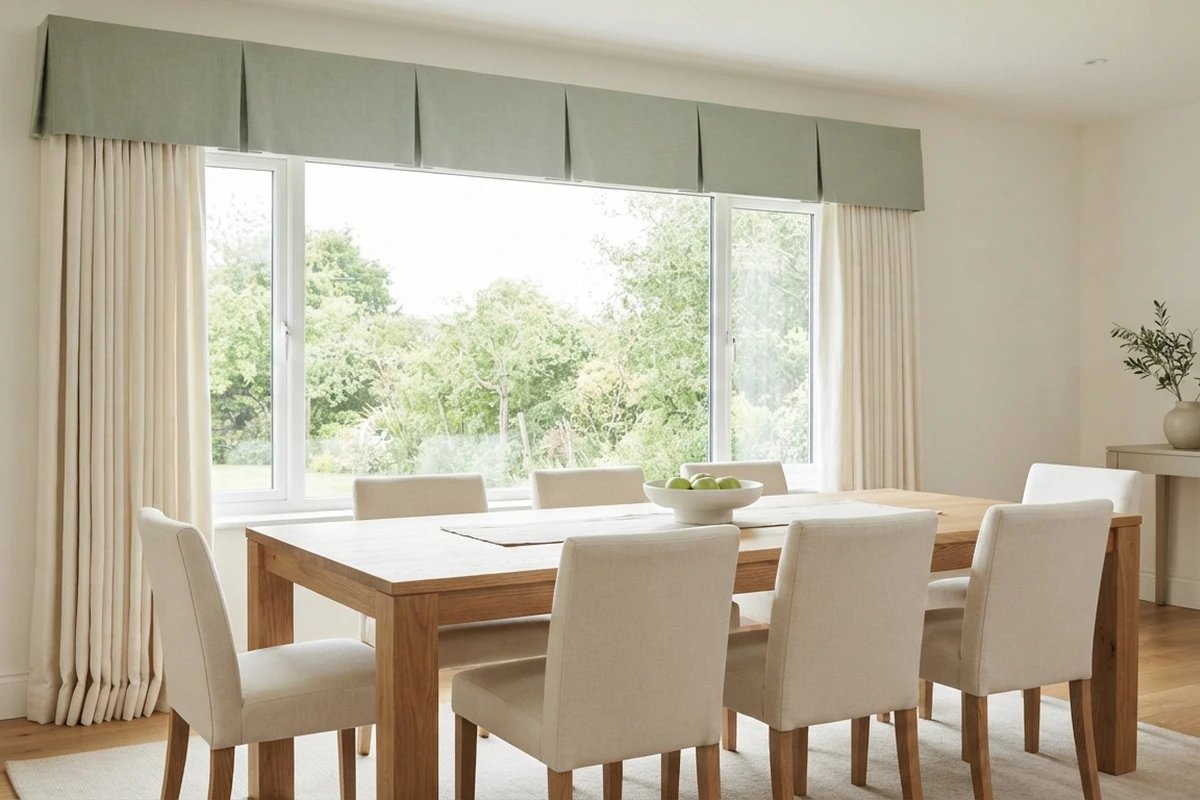
Tailored Box-Pleat Valances for a Polished Look
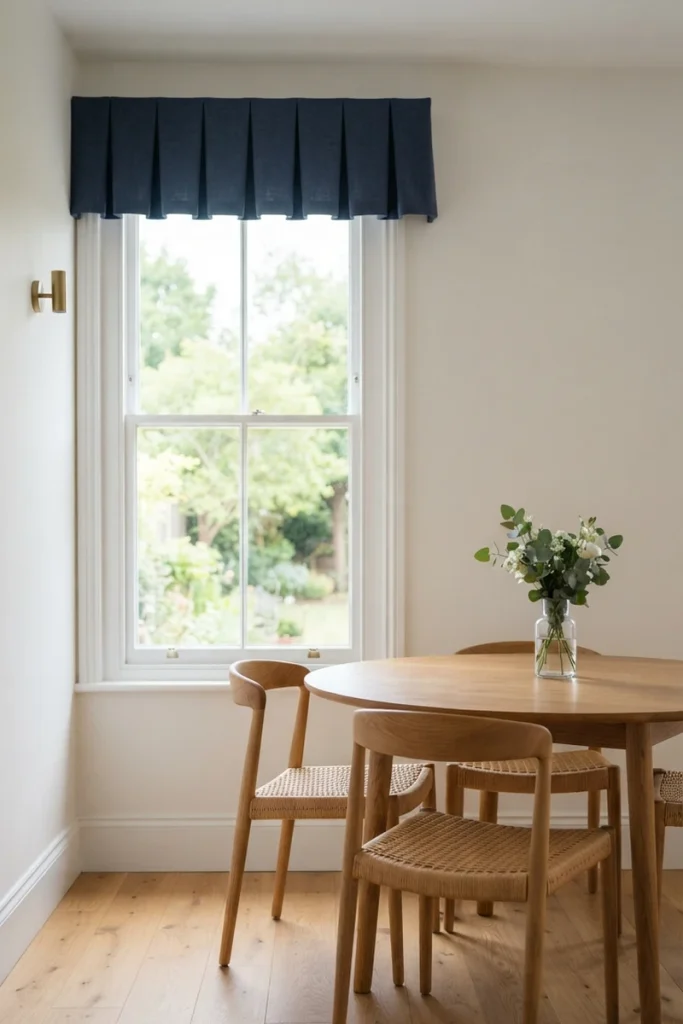
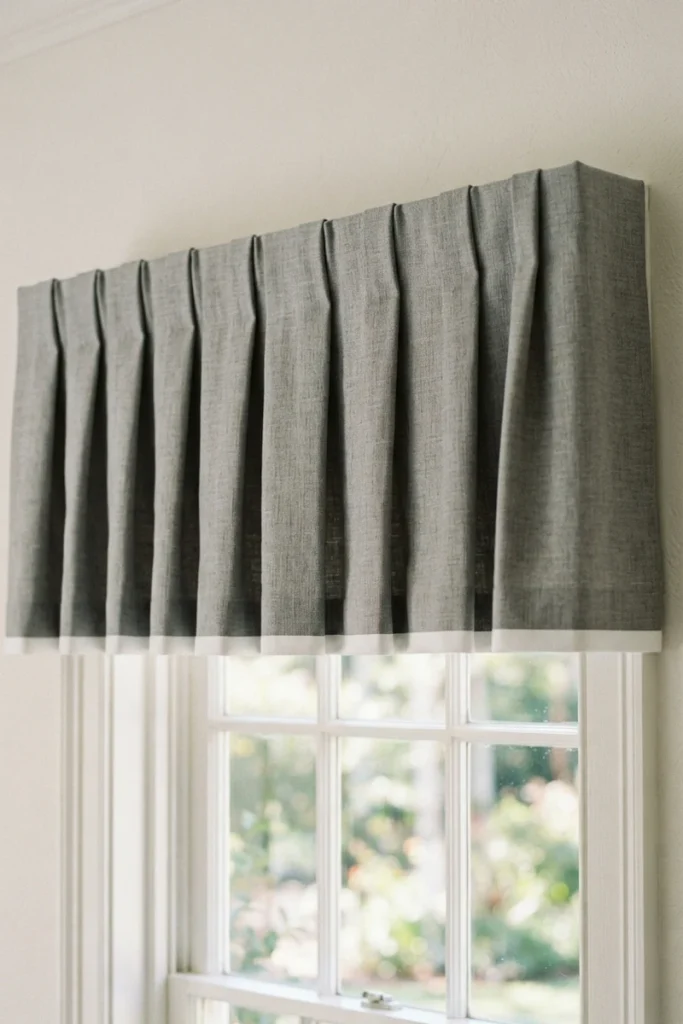
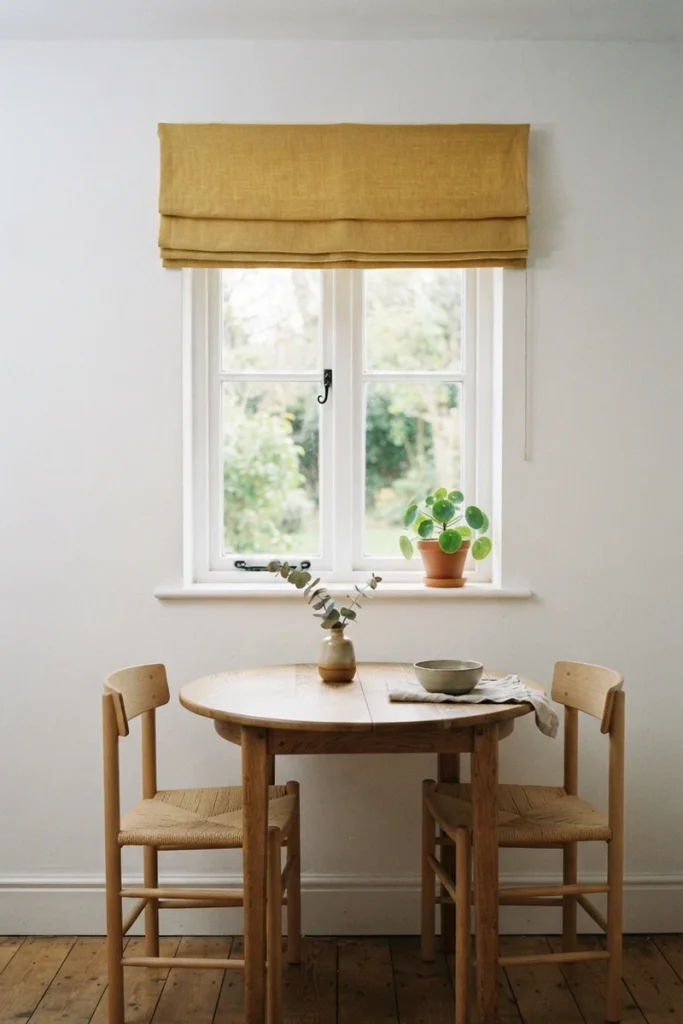
A tailored valance has clean lines and crisp folds. It suits traditional, transitional and modern dining rooms alike.
- Box-pleat valances have deep, evenly spaced folds that look neat and structured.
- Flat Roman-style valances have soft horizontal folds and a simple straight hem.
- Inverted pleats give a calm, flat front with folds hidden behind.
- Solid linen or cotton keeps a tailored valance looking clean and modern.
- Add a contrast band along the hem for a custom, designer finish.
- Pair a tailored valance with simple panels or bare glass below.
A well-made tailored valance looks sharp from every seat at the table.
Scalloped and Shaped Valances for Soft Charm
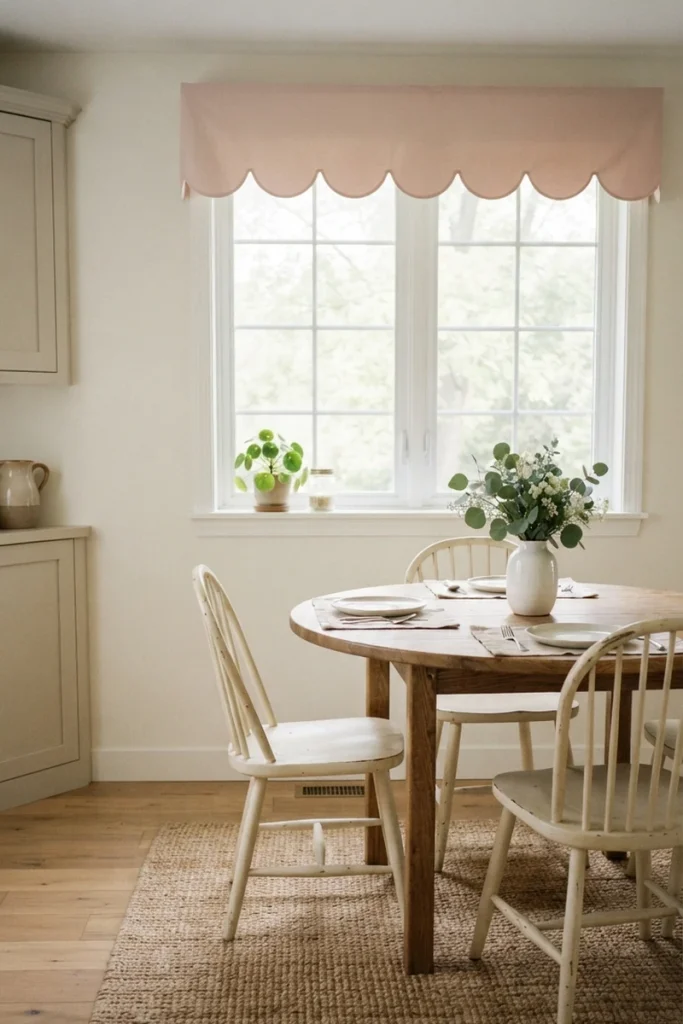
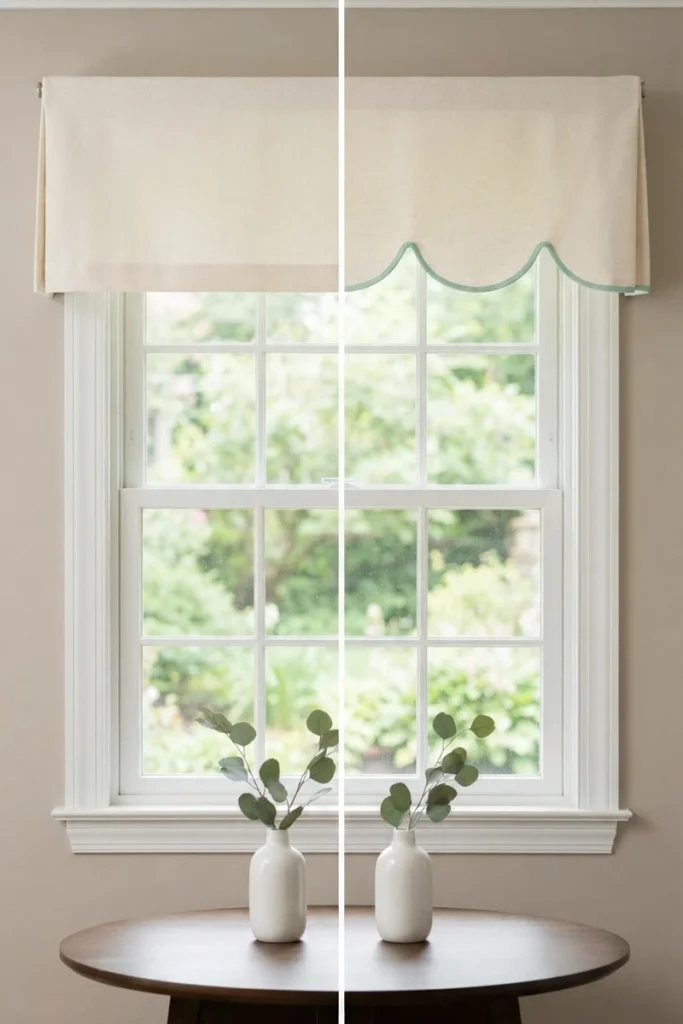
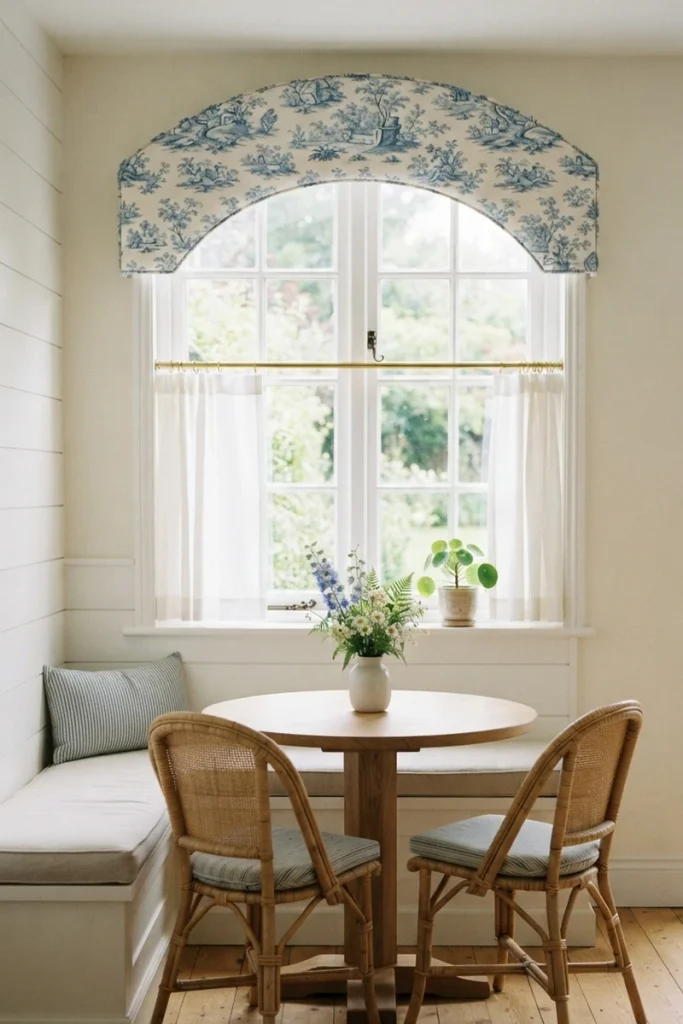
Curved edges soften square windows and bring a gentle, cottage feel to the dining room.
- Scalloped hems add a playful, vintage touch to casual dining spaces.
- Arched or shaped valances follow the window and feel softer than a straight edge.
- Trim the curved edge with piping, braid or a narrow fringe to highlight the shape.
- Toile, small florals and gingham suit scalloped styles especially well.
- Keep the walls and chair fabrics simple so the shaped edge stands out.
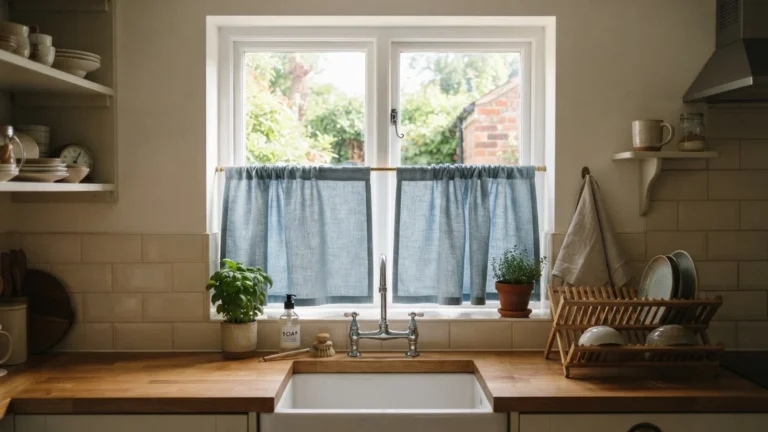
- Use shaped valances on their own above café curtains for a breakfast nook look.
A shaped valance is an easy way to add charm without heavy curtains.
Swag Valances for Classic Elegance
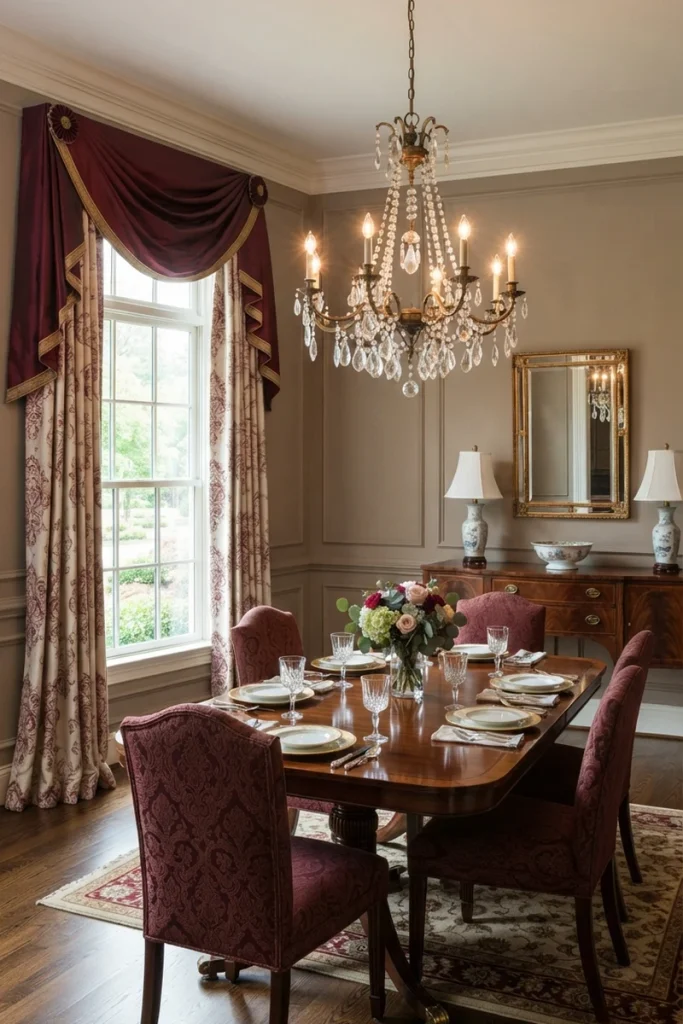
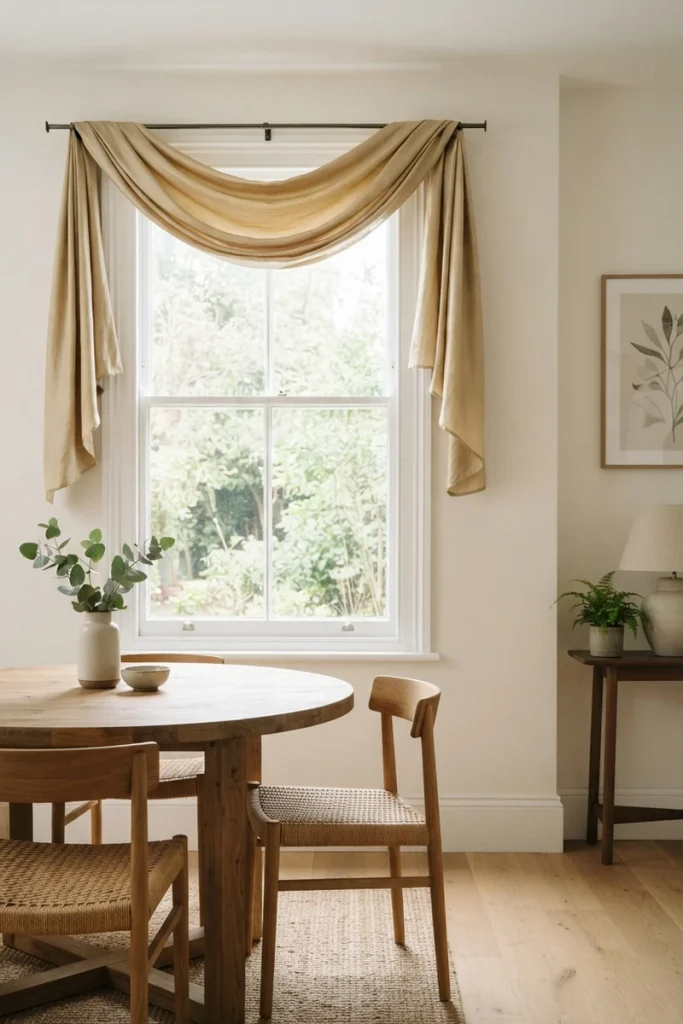
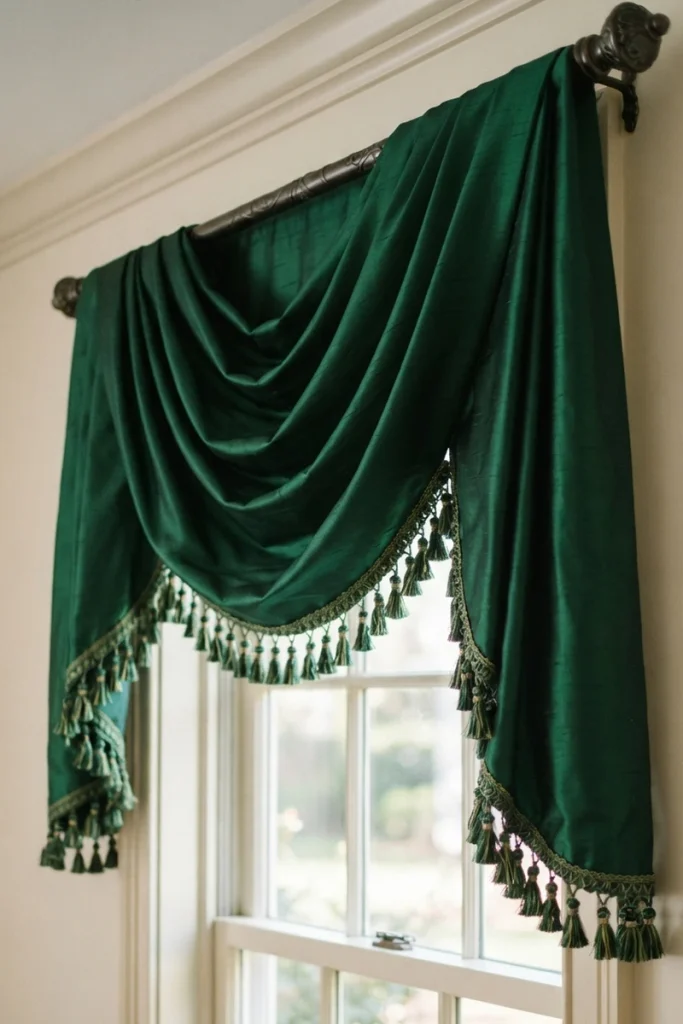
Swags drape in soft curves across the top of the window and suit formal dining rooms with traditional furniture.
- Swag and jabot valances combine draped center swags with pleated side tails.
- Scarf swags wrap one long length of fabric loosely over a rod for a relaxed look.
- Silk, faux silk and lightweight velvet drape beautifully in swags.
- Tassel or bullion trim adds a finished, formal detail.
- Keep swags in proportion; one or two swags suit most dining windows.
- See how formal and relaxed styles compare in our guide to formal vs casual dining curtain styles.
A classic swag instantly gives a dining room a dressed-up, special-occasion feel.
Layer a Valance Over Curtains or Blinds
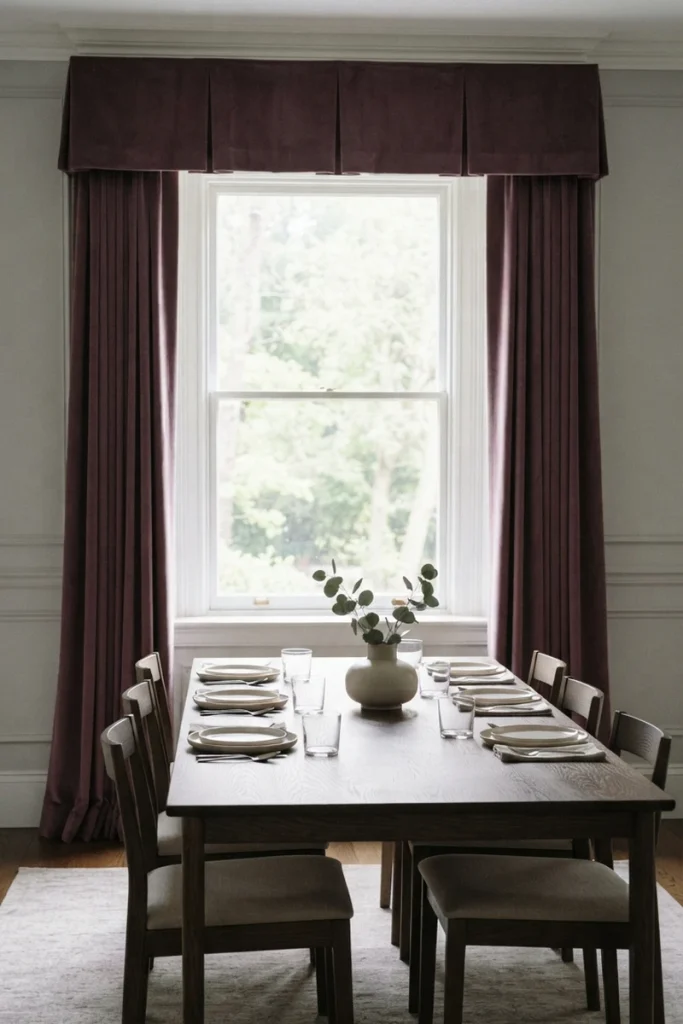
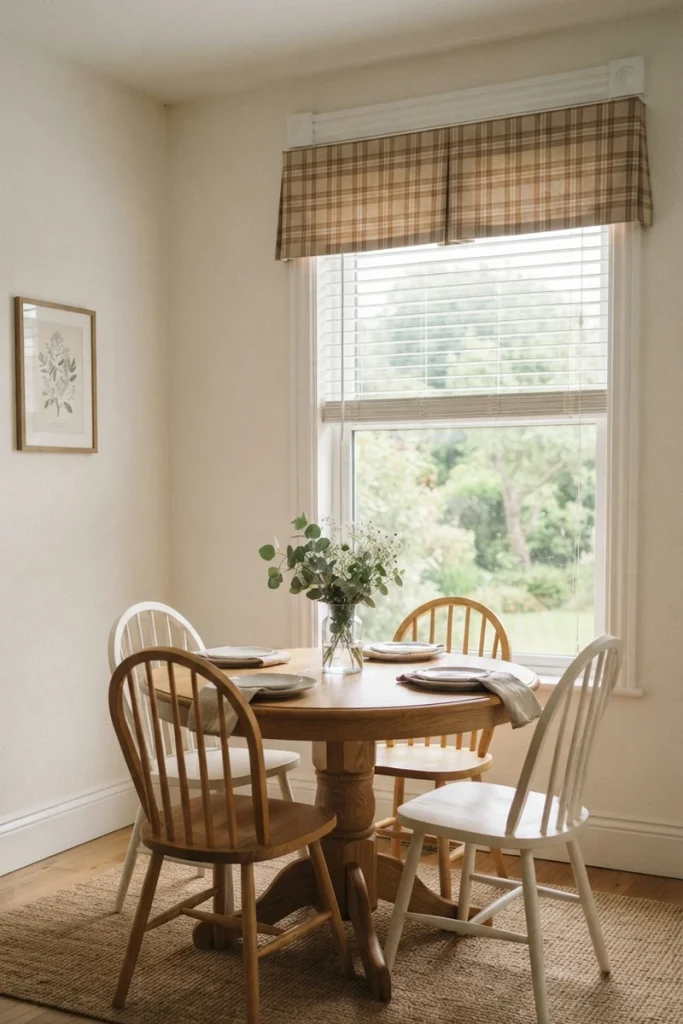
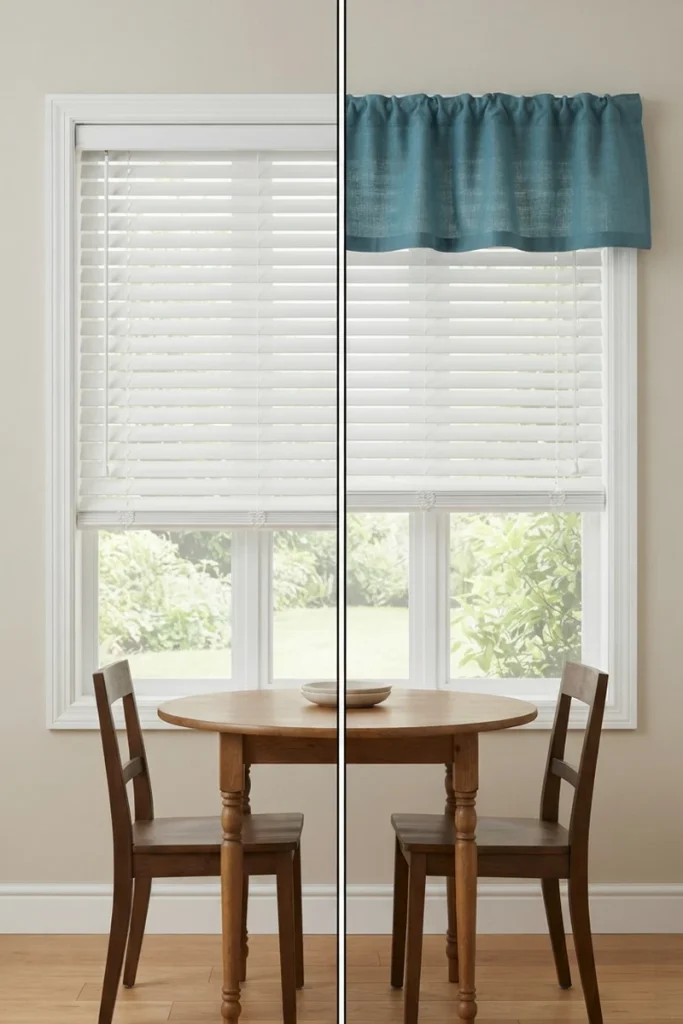
Many of the best dining room valance ideas use a valance as the top layer of a window treatment. It hides hardware and ties the whole look together.
- Hang a valance over floor-length panels in a matching or coordinating fabric.
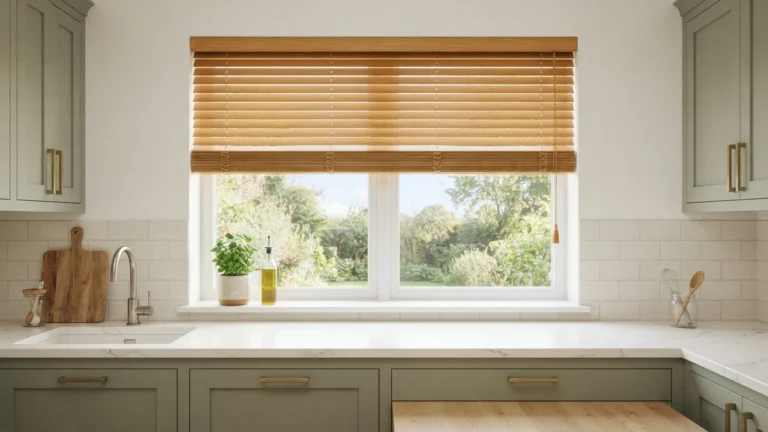
- Add a valance above wood or faux wood blinds to soften their hard lines.
- Top Roman shades with a short valance in a contrasting pattern.
- Use a double rod or a separate valance rod so each layer moves freely.
- Keep the valance fabric the boldest layer and the panels or blinds simpler.
- Mount the valance high enough to hide the blind headrail completely.
Layering lets you get privacy and light control below with color and style on top.
Choose Fabric and Pattern That Suit Your Dining Room
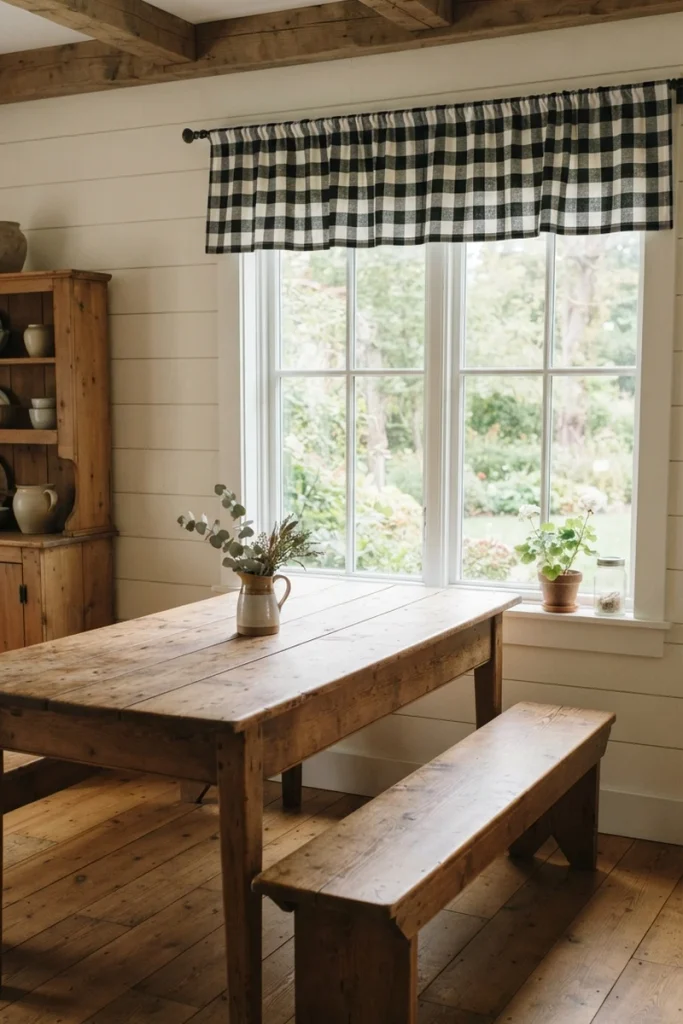
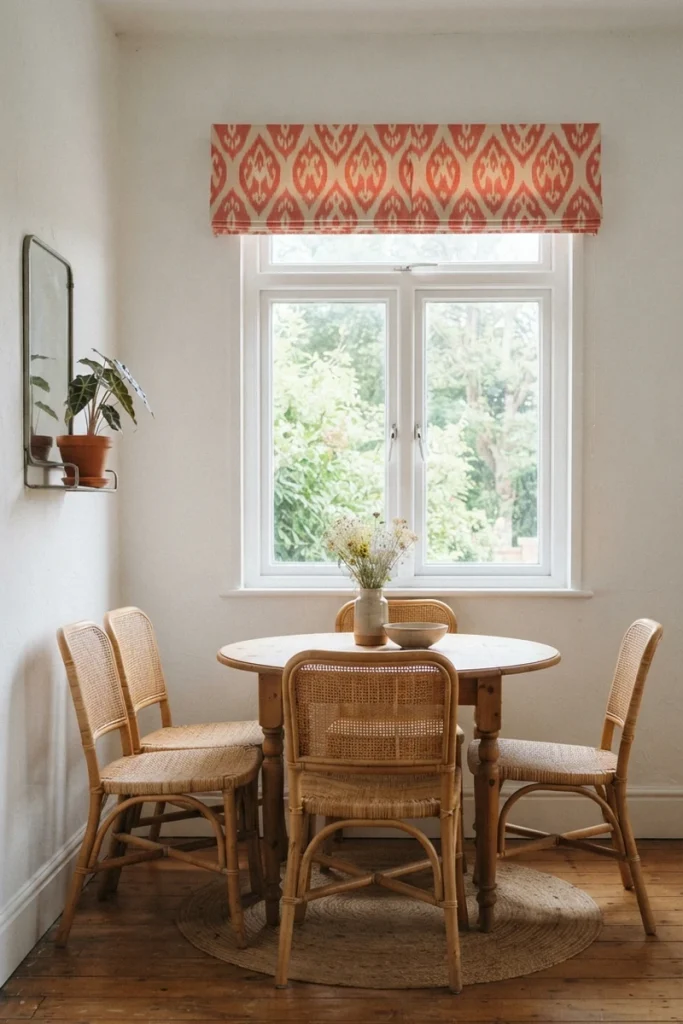
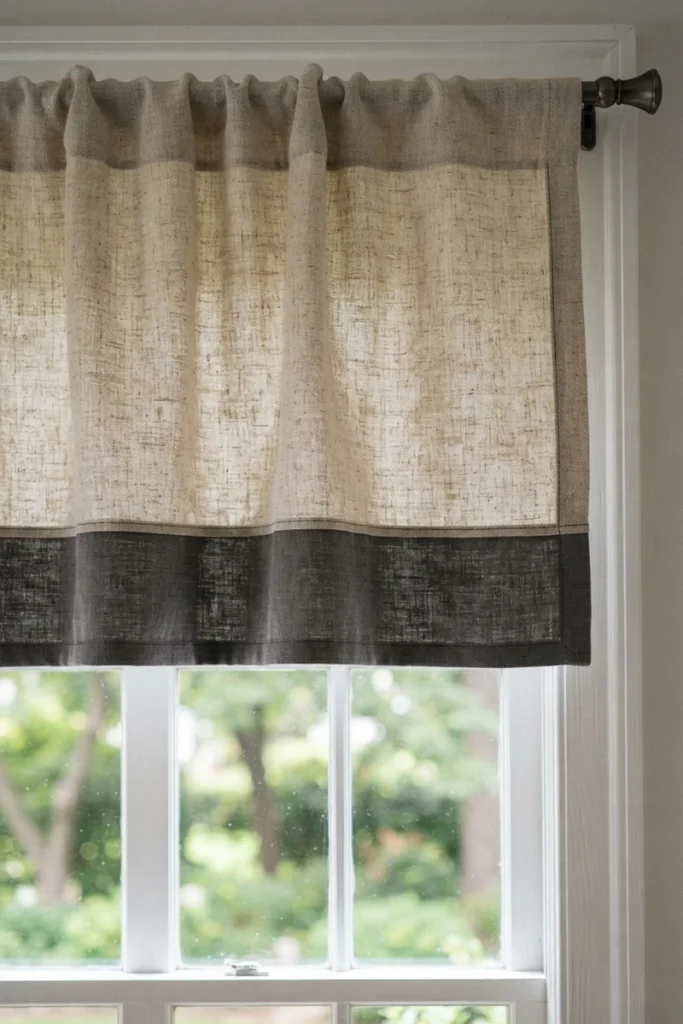
Because a valance is small, it is the perfect place to try a bold color or pattern you might not want on full curtains.
- Buffalo check and plaid suit farmhouse and rustic dining rooms.
- Ikat, chinoiserie and botanical prints add personality to eclectic spaces.
- Solid linen with contrast banding looks clean in modern rooms.
- Pick a color from your rug, chair cushions or artwork to tie the room together.
- Choose medium-weight fabric that holds its shape; very thin fabric looks limp.
- Explore color pairings in our guide to dining room curtain colors.
The right fabric turns a simple valance into the focal point of the room.
Hang It Right: Height, Width and Length
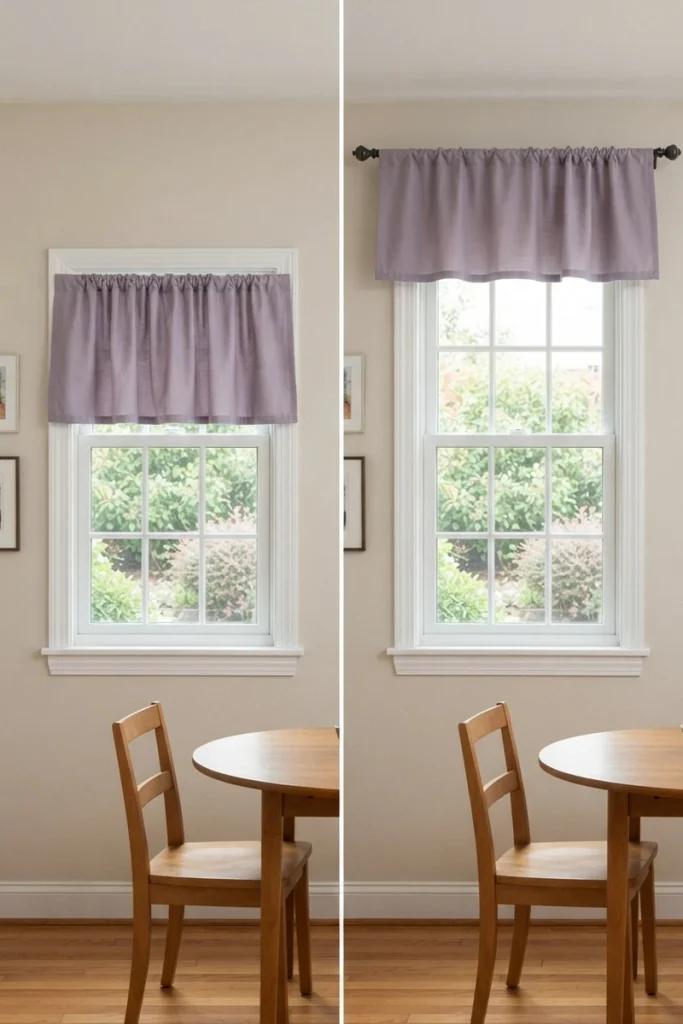
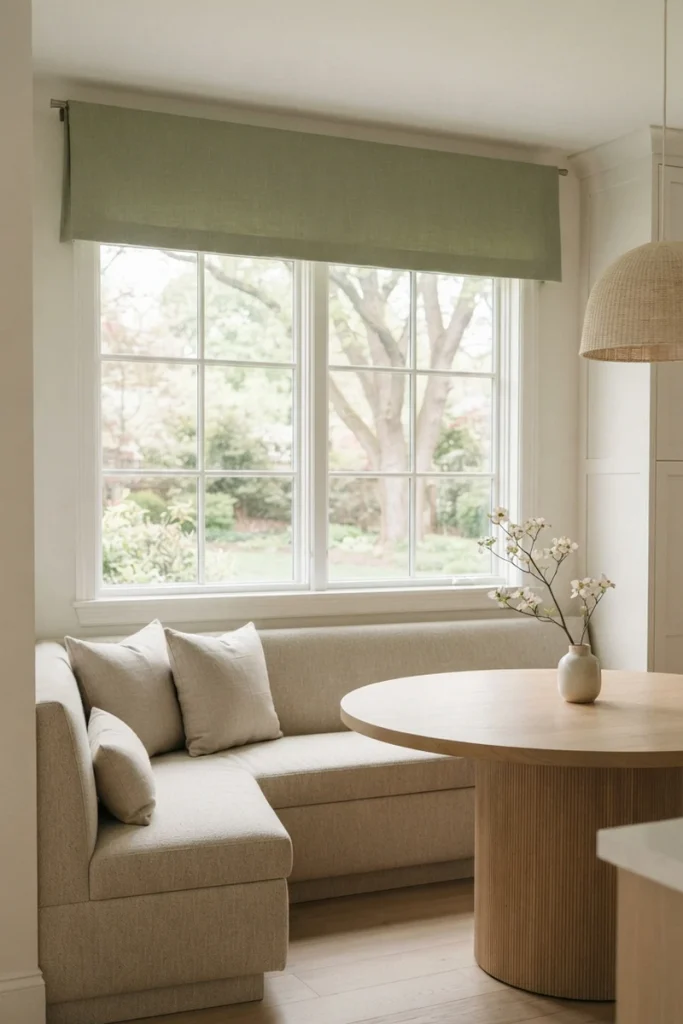
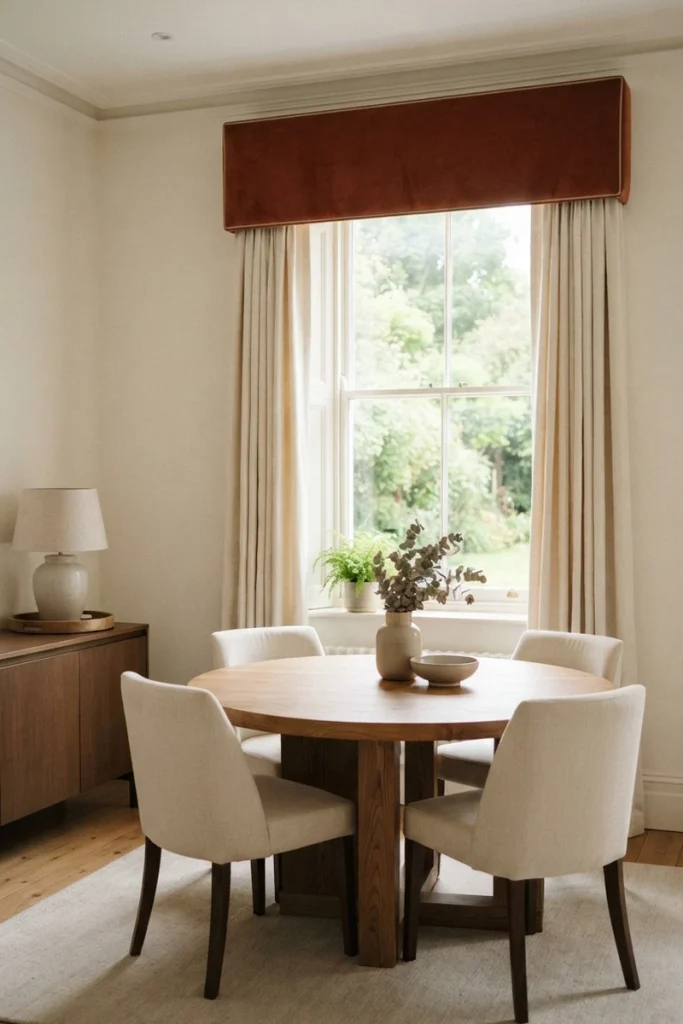
Where you hang a valance makes the biggest difference to how the window looks.
- Mount the valance 4 to 6 inches above the window frame, or higher, to make the window look taller.
- Make the valance wider than the frame, about 3 to 6 inches on each side.
- Keep the valance length about one-fifth of the window height so it frames the glass without covering it.
- Make sure the bottom edge sits at or just above the top of the glass.
- Use a mounting board or cornice for a tailored, built-in look.
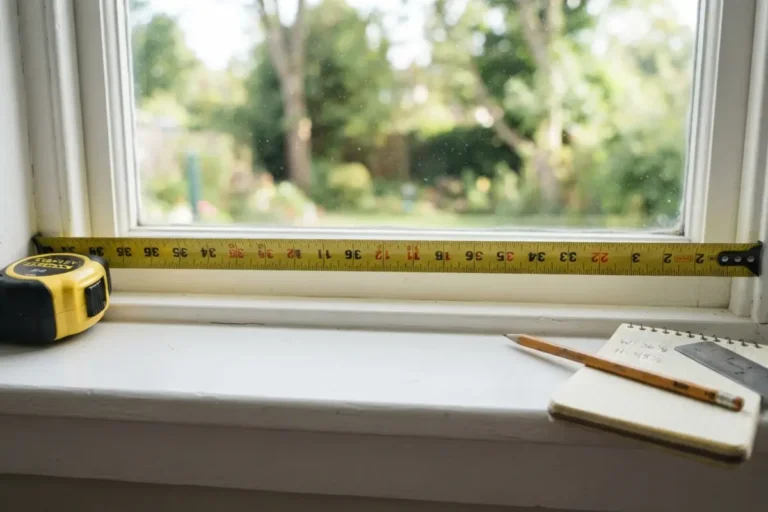
- Measure your windows carefully before ordering or sewing a valance.
Get the height and width right and even a simple valance will look custom.
Common Mistakes to Avoid
- Hanging the valance right on the frame, which makes the window look shorter.
- Choosing a valance that is too long and blocks the top of the glass.
- Using very thin fabric that sags and loses its shape.
- Mixing a busy valance with busy curtains, chairs and rug all at once.
- Picking a valance narrower than the window frame.
- Forgetting that fabric near the table needs to be easy to clean.
Frequently Asked Questions
Are valances still in style for dining rooms?
Yes. Tailored box-pleat valances, simple Roman-style valances and valances with contrast trim look fresh and current. The dated look comes from heavy, oversized swags in fussy fabric, not from valances themselves.
How high should a valance be hung in a dining room?
Hang a valance at least 4 to 6 inches above the window frame. Mounting it higher, closer to the ceiling, makes the window look taller and keeps the valance from covering the glass.
Can I use a valance without curtains?
Yes. A valance on its own works well when you want to keep the view and natural light open. It is a good choice above a window with blinds, café curtains or no other treatment at all.
External Resources
For step-by-step help with rod placement and window measurements, see this guide on how to hang curtains.
Final Thoughts on Dining Room Valance Ideas
A valance is a small detail that makes a big difference. Choose a style that suits your dining room, pick a fabric that holds its shape, and hang it high and wide so it frames the window instead of covering it. If your dining room is on the smaller side, see our tips on small dining room curtain ideas for more space-saving ideas.
💡 Found this helpful? Save this guide on Pinterest so you can find it again when you’re ready to shop!