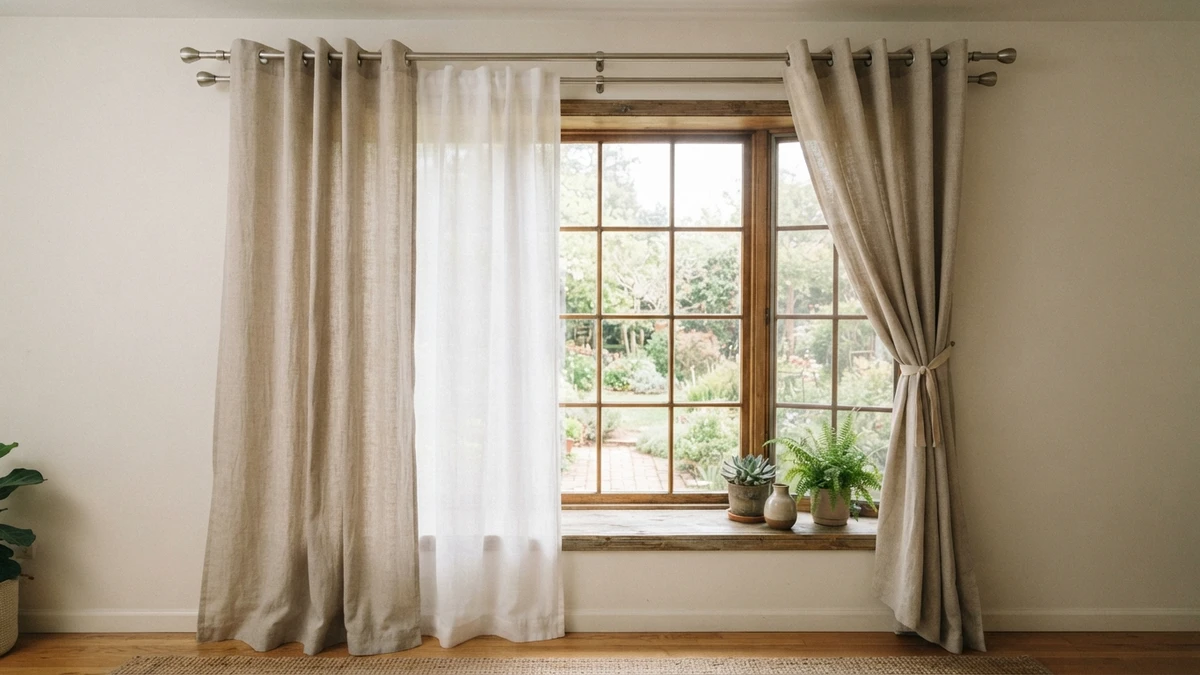
Single vs Double Curtain Rods: Pros and Cons
When it comes to single vs double curtain rods, choosing the right setup is one of those small decisions that ends up affecting how flexible — and how finished — your curtains actually look. A single rod keeps things simple, while a double rod opens the door to layering sheers and heavier drapes together. This guide breaks down when each setup makes sense, so you don’t end up with hardware that limits the look you actually want.
Before You Start: 2 Questions to Ask Yourself
1. Do you want to layer a sheer with a heavier curtain?
Layering requires two separate curtain panels hanging independently, which only a double rod can support properly. If you’re happy with one curtain doing one job, a single rod is simpler and cheaper.
2. How much wall space do you have around the window?
Double rods project slightly further from the wall and need a bit more clearance on either side of the window to look proportional. A single rod is more forgiving in tight spaces or windows close to a corner.
Single Curtain Rods
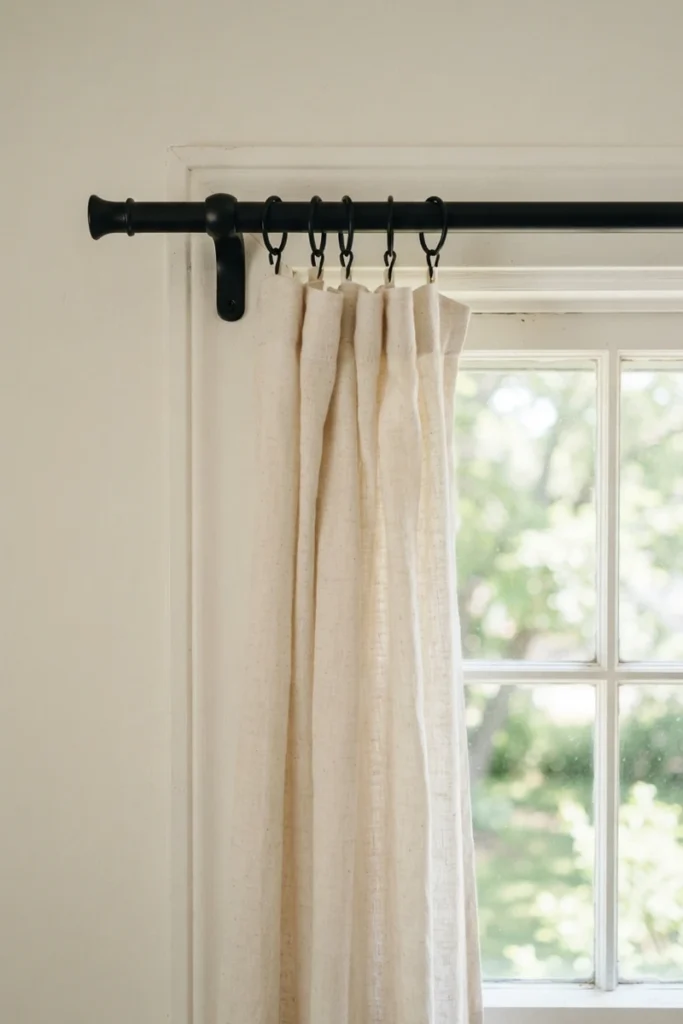
A single rod holds one curtain panel (or one pair of panels) and is the simplest, most common hardware setup for most windows. It’s less expensive, easier to install, and works perfectly well for any room where one fabric layer does everything you need — whether that’s a sheer for daytime privacy or a heavier drape for full coverage. The limitation is exactly that simplicity: a single rod can’t support the day-to-night flexibility that layering two different fabrics provides.
Best for: Rooms where one curtain style handles all your light and privacy needs, or budget-conscious projects.
Double Curtain Rods
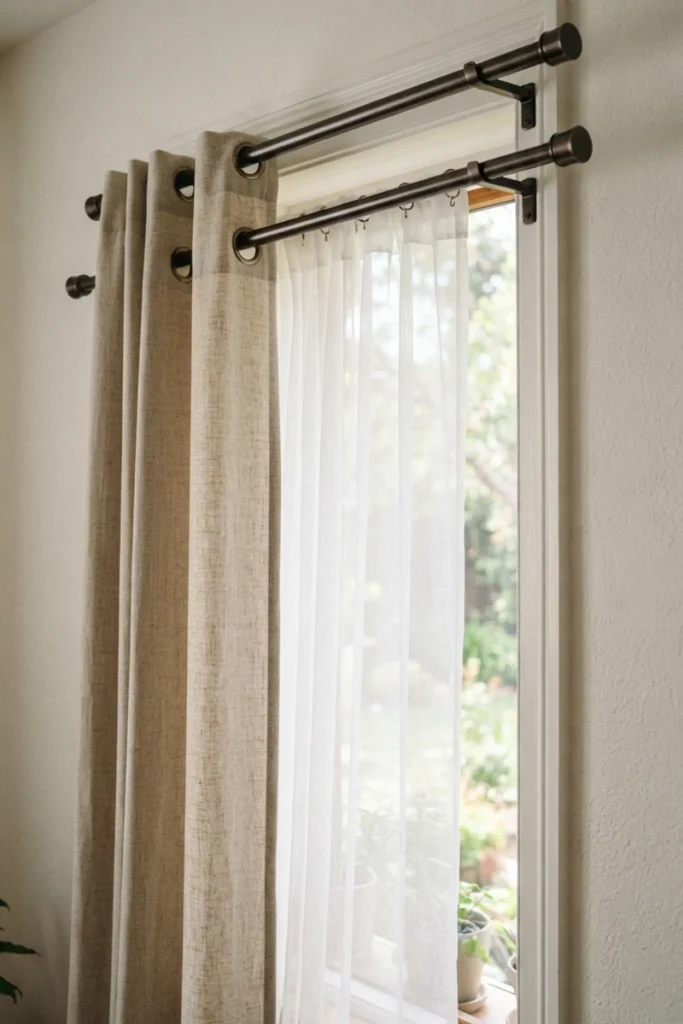
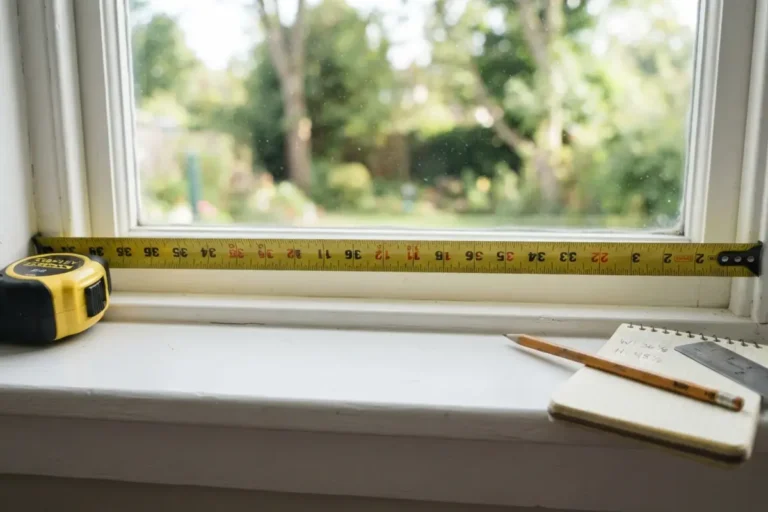
A double rod setup uses two parallel rods — one mounted slightly in front of the other — allowing a sheer panel and a heavier drape to hang independently on the same window. This means you can close just the sheer during the day for soft light and privacy, then draw the heavier layer at night for full coverage, all without swapping fabric. The trade-off is added cost, a slightly more involved installation, and the need for enough wall clearance to fit both rods without looking crowded. Home improvement guides generally recommend measuring wall clearance carefully before committing to a double-rod setup, since retrofitting extra brackets later can be trickier than planning for them upfront.
Best for: Living rooms and bedrooms that need to flex between bright daytime use and full privacy at night.
Single vs Double Rods at a Glance
| Feature | Single Rod | Double Rod |
|---|---|---|
| Cost | Lower | Higher |
| Installation | Simple | Moderate |
| Layering capability | No | Yes |
| Wall clearance needed | Minimal | More |
| Best for | One-fabric simplicity | Day-to-night flexibility |
How to Choose Between Single vs Double Curtain Rods
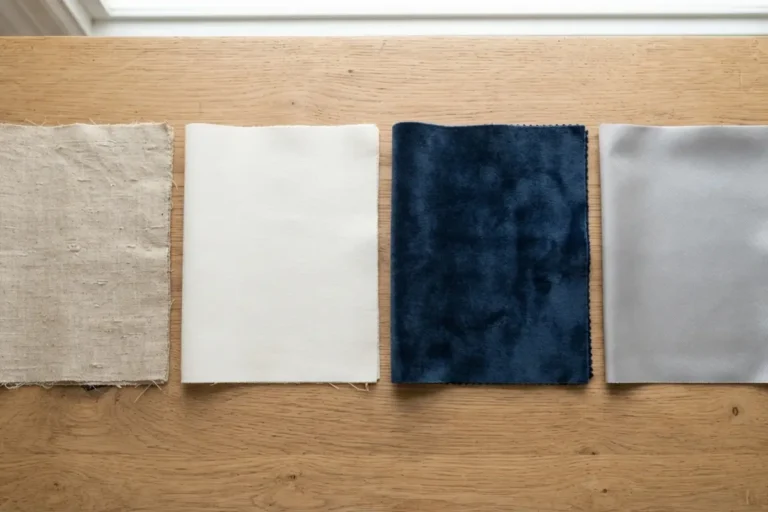
Start with how the room is actually used — a room that needs to shift between bright and private throughout the day benefits far more from a double rod’s flexibility than the cost savings of a single one. If your window already has limited wall space on either side, a single rod is the more practical choice regardless of how much you’d like to layer fabrics. When in doubt, a single rod with a versatile mid-weight fabric is the simpler, lower-risk option that still works well in most rooms. If you’re still unsure which fabric weight to pick for either setup, our guide to the best curtain fabrics breaks down how cotton, linen, velvet, and polyester behave once hung.
FAQ
Can I add a second rod later if I only install one now?
Yes, in most cases — as long as there’s enough wall space around the window for the second rod’s brackets, you can add a double rod setup after the fact without replacing the first rod.
Do double rods work with any curtain heading style?
Most heading styles work fine on a double rod, though it’s worth checking that both panels use a compatible heading (like rod-pocket or pinch-pleat) so they hang and glide similarly.
Is a double rod necessary for blackout curtains?
Not necessarily — many people use a single rod with just a blackout curtain if they don’t need a sheer layer during the day. Double rods matter most when you want both a sheer and a blackout option on the same window.
Final Thoughts on Curtain Rod Setups
Once you’ve compared single vs double curtain rods side by side, the hardware details — rings, tracks, and mounting styles — matter just as much. Our curtain hardware guide breaks down rods, rings, and tracks in more detail.