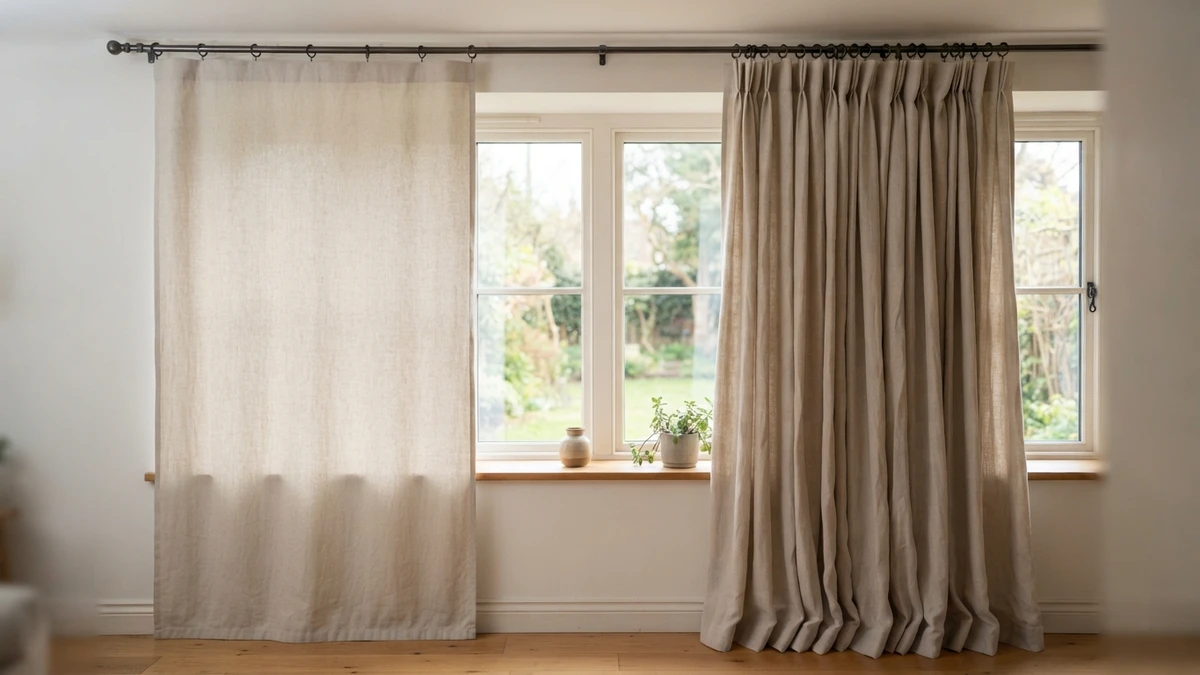
How Much Fullness Should Your Curtains Have?
Curtain fullness is one of those details that quietly separates curtains that look professionally done from ones that look thin and stretched. It refers to how much extra fabric width you use compared to the actual window — and getting this ratio right matters just as much as fabric or color. This guide breaks down how much fullness different curtain styles and fabrics actually need.
Before You Start: 2 Questions to Ask Yourself
1. What fabric weight are you using?
Lightweight fabrics like sheers need more fullness to avoid looking flat and thin, while heavier fabrics like velvet hold their shape with slightly less extra width. The fabric you’ve already chosen partly determines how much fullness you’ll need.
2. Do you want the curtains fully closed at times, or mostly just decorative?
Curtains that need to fully close for privacy or light-blocking require enough fullness to cover the entire window without gaps. Curtains left mostly open as a decorative frame can get away with less fullness since coverage matters less.
Standard Fullness: 2x to 2.5x
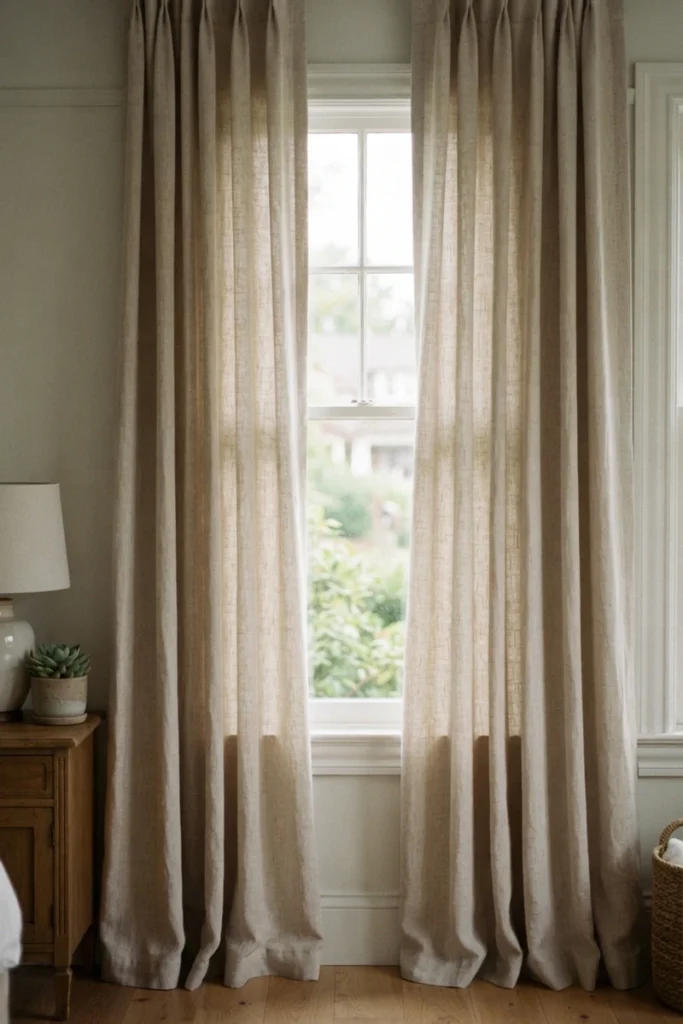
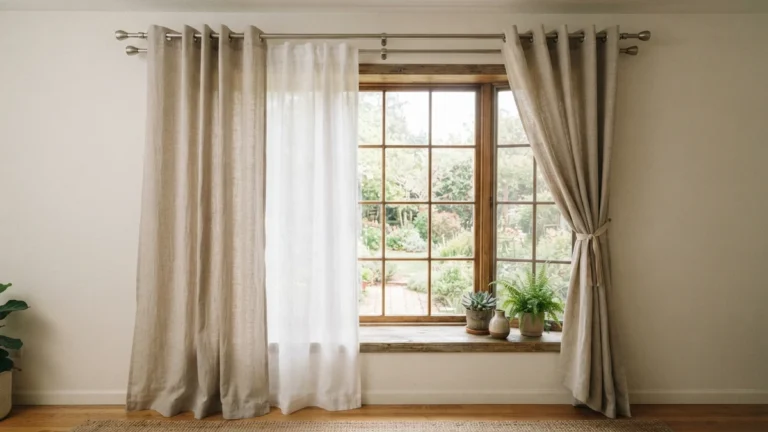
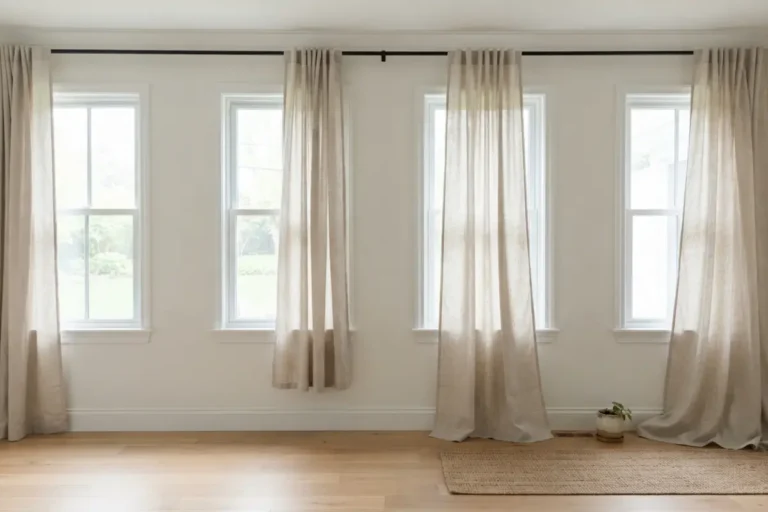
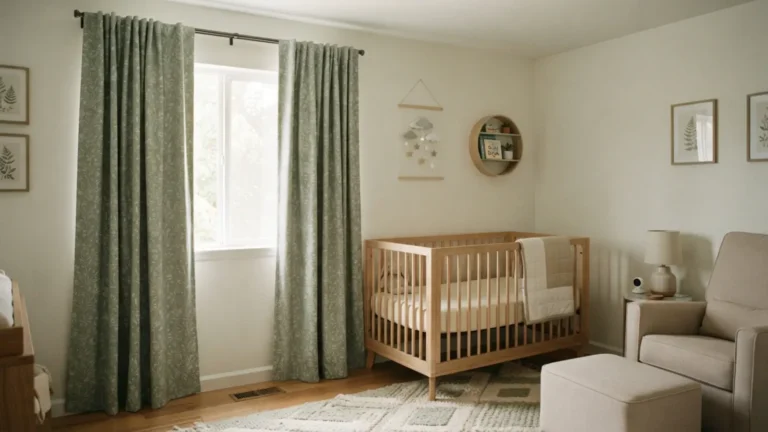
When it comes to curtain fullness, most mid-weight fabrics look properly gathered and full at 2 to 2.5 times the width of the window — meaning the total flat fabric width across both panels combined should be about double to two-and-a-half times the window’s actual width. This range works for most mid-weight fabrics like cotton and cotton-linen blends, giving a soft, gently folded look without excessive bulk. Anything less than 2x tends to look stretched and flat once hung, even if the fabric itself is nice quality. Home decor guides note that fabric weight plays a crucial role in how curtains hang, which is exactly why fullness needs vary so much between lightweight and heavier materials.
Best for: Cotton, cotton-blend, and most mid-weight fabrics in standard living rooms and bedrooms.
Sheer Fullness: 2.5x to 3x
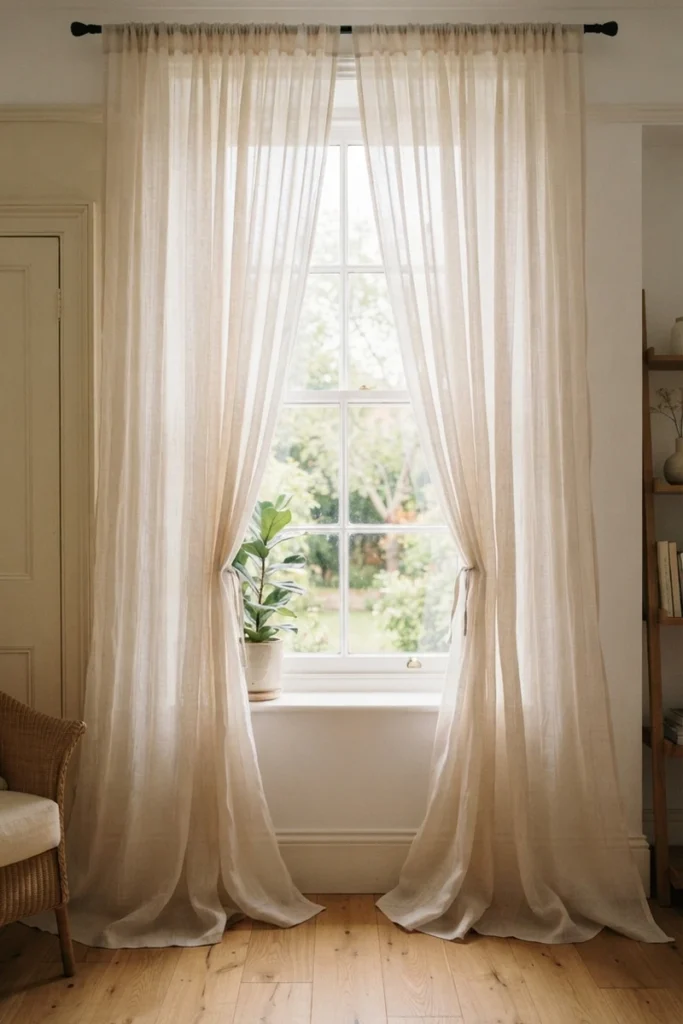
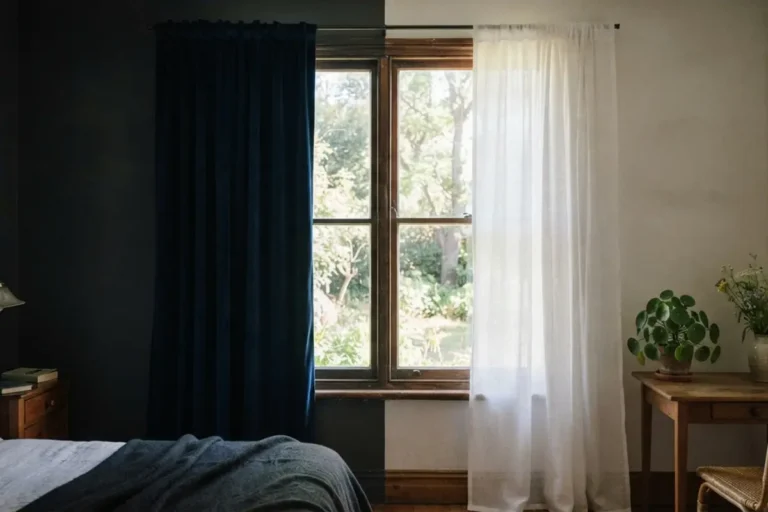
Sheer and lightweight fabrics need more fullness than heavier materials to achieve the same soft, gathered look, since the fabric has less body to hold its own shape. At 2.5 to 3 times the window width, sheers create the soft, cloud-like fullness that makes them look intentional rather than thin and sparse. Skimping on fullness with sheers is one of the most common mistakes people make, since the fabric’s lightness makes the lack of volume especially obvious.
Best for: Sheer curtains and other lightweight, semi-transparent fabrics.
Heavy Fabric Fullness: 1.5x to 2x
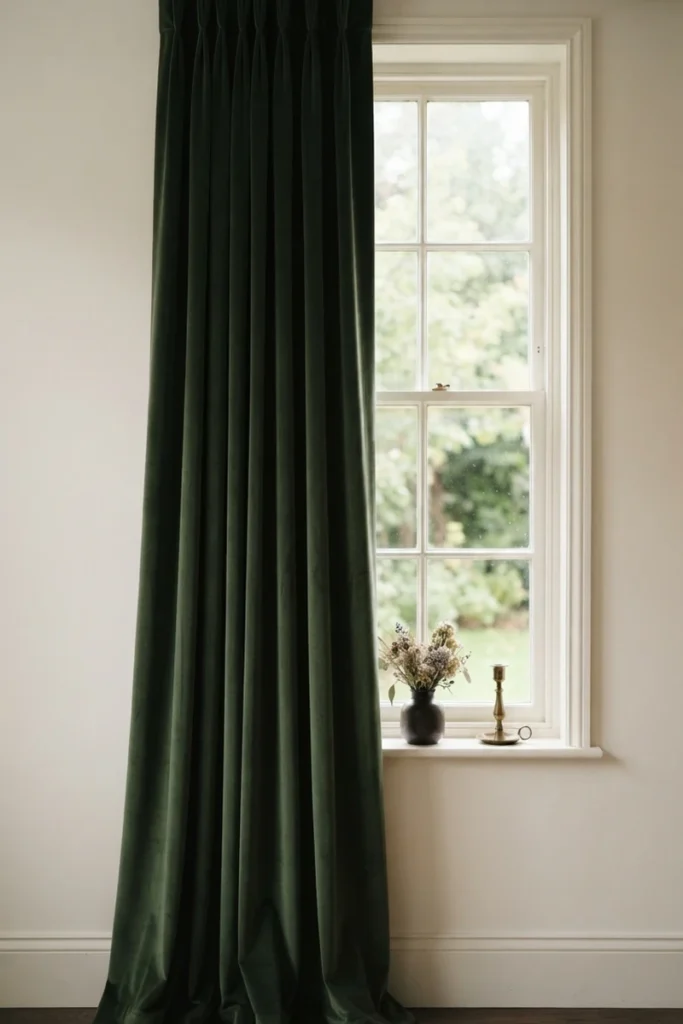
Heavier fabrics like velvet, and some tightly woven blackout linings, hold their own shape well even with slightly less fullness — around 1.5 to 2 times the window width is usually enough. The fabric’s weight naturally creates soft folds without needing as much extra material, and going much fuller than 2x can result in curtains that look bulky or overly heavy at the top. This is one case where less fabric can actually look more polished, not less.
Best for: Velvet, heavy blackout-lined curtains, and other substantial, structured fabrics.
Curtain Fullness Comparison at a Glance
| Feature | Sheer | Standard (Cotton/Linen) | Heavy (Velvet/Blackout) |
|---|---|---|---|
| Recommended fullness | 2.5x–3x | 2x–2.5x | 1.5x–2x |
| Risk if too flat | Looks sparse and thin | Looks stretched | Looks skimpy |
| Risk if too full | Rarely an issue | Slightly bulky at top | Heavy, overwhelming folds |
How to Calculate the Fullness You Need
Measure your window’s width first, then multiply that number by the fullness ratio that matches your fabric weight — for example, a 60-inch window with standard cotton curtains at 2.25x fullness needs about 135 inches of total flat fabric width across both panels. If you’re buying pre-made panels, check the listed width of each panel and make sure the combined width of the panels you’re ordering meets or exceeds that target number, rather than assuming a single panel will be enough.
FAQ
What happens if my curtains don’t have enough fullness?
They’ll look flat, stretched, and thin when closed, even if the fabric quality is good — the fullness ratio affects the finished look almost as much as the fabric itself does.
Can I have too much fullness?
Yes, especially with heavier fabrics — excessive fullness on velvet or thick blackout linings can look bulky and overwhelming rather than elegant. Sheers are more forgiving and rarely look “too full.”
Does fullness affect how much fabric I need to buy?
Yes, directly — fullness ratio is exactly what determines the total fabric width you need to purchase, on top of the length measurement. Getting this number right upfront avoids ordering curtains that end up looking thin once hung.
Final Thoughts on Curtain Fullness
Getting fullness right works hand in hand with accurate measurements. Our guide to measuring windows for curtains walks through width, height, and fullness calculations together, step by step.